
Blooming
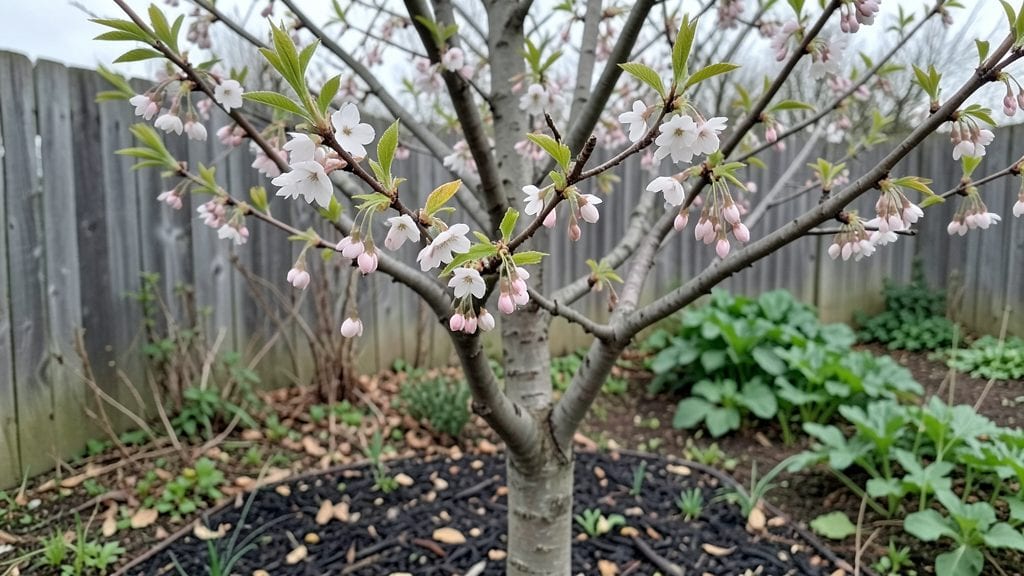
Almond blossom plants (Prunus dulcis) turn spring into a fragrant dream with their delicate pink and white flowers. 🌸 I’ve grown them in both containers and garden beds, and the key to success lies in mimicking their natural Mediterranean climate—dry summers, cold winters, and just enough moisture to keep roots happy without drowning them.
The right setup makes all the difference: well-draining soil, full sun, and a spot protected from harsh winds. Most gardeners overwater these drought-tolerant trees, but the secret is actually letting the soil dry out between waterings.
Prune in late winter to shape the tree and encourage those stunning blossoms, and you’ll see flowers appear within just a few weeks of proper care.
By late spring, your almond tree will be covered in fragrant blooms that attract bees and fill the air with a sweet, almond-like scent. The flowers last for weeks, and even if you don’t get nuts (they’re not all fruit-bearing), the visual impact is worth it.
With the right conditions, these trees thrive for decades, becoming a cherished part of your landscape.
Whether you’re growing in a container or planting directly in the ground, almond blossoms adapt well to urban and rural settings alike. Just be patient—young trees take a few years to really show off, but the wait is worth every petal.
📚 In This Guide
- What you need
- Instructions
- Tips and common mistakes
- Wrapping up and next steps
What you need
- ● Almond tree sapling or bare-root plant: Choose a Prunus dulcis variety suited to your climate (e.g., 'Nonpareil' or 'Fritz' for containers). Opt for a 1-2 year old tree from a nursery.
- ● Well-draining soil: A mix of 60% native soil, 30% compost, and 10% perlite or coarse sand (for ground planting). For containers, use a cactus/succulent mix with added perlite.
- ● Container (if potted): A 15-20 gallon pot with drainage holes (minimum 18" diameter for dwarf varieties). Terracotta or fabric pots work best.
- ● Organic fertilizer: A balanced 10-10-10 or citrus-specific fertilizer (low in nitrogen after planting). Slow-release granules are ideal.
- ● Mulch: 2-3 inches of wood chips or straw to retain moisture and regulate soil temperature.
- ● Garden tools: Trowel, pruning shears, and a 5-gallon watering can (or hose with gentle spray nozzle).
- ● pH testing kit: Almond trees thrive in slightly acidic to neutral soil (pH 6.0-7.5).
- ● Sunlight access: Full sun (6-8+ hours daily). South-facing or west-facing spots are perfect.
- ● Cold hardiness zone: Zones 5-9 (check your local climate compatibility).
- ● Drip irrigation system for consistent watering.
- ● Pest control: Neem oil or horticultural oil for aphids or spider mites.
- ● Epsom salt (magnesium sulfate) for leaf health during blooming season.
- ● Decorative rocks or pebbles for container aesthetics.
Step-by-Step instructions for growing an almond blossom plant
Here's how to coax those delicate pink blossoms into your garden or patio—with minimal fuss.
🌱 Step 1: Choose the Right Variety and Planting Location
Almond blossoms thrive in USDA zones 6-10 and need full sun (6+ hours daily). For containers, dwarf varieties like 'Nonpareil' or 'Peerless' work best. If planting in ground, ensure the spot has well-draining soil—they hate soggy roots.
Here's the thing—almond trees are heavy feeders. If your soil is poor, amend it with 2-3 inches of compost mixed into the top 12 inches of soil. Dig a hole twice as wide as the root ball but only as deep—planting too deep suffocates the tree. I always backfill with a mix of native soil and compost to encourage root spread.
💧 Step 2: Water Deeply and Mulch to Retain Moisture
After planting, water deeply (1-2 gallons for containers, 5 gallons for ground plants) until water runs out the drainage holes or seeps 6 inches into the soil. You'll know it's enough when the top 2 inches of soil feel moist but not saturated.
Spread 2-3 inches of mulch (like wood chips or straw) around the base, keeping it 3 inches away from the trunk to prevent rot. Mulch locks in moisture and keeps roots cool during summer's heat. Replenish mulch in spring—this is the moment that matters for establishing strong roots before blooming season.
☀️ Step 3: Provide Consistent Care for Spring Blooms
Almond blossoms need regular watering (1-2 times weekly) during dry spells, but never let the soil stay soggy. You'll see new growth in early spring—this is your cue to fertilize with 10-10-10 balanced fertilizer (follow package rates). I split applications into three doses: once in early spring, again when buds form, and finally after blooming.
Watch for aphids or spider mites on new leaves. A strong spray of water usually knocks them off, but if infestations persist, use neem oil. Prune dead or crossing branches in late winter to encourage airflow—this prevents fungal issues and keeps the tree healthy for next year's blossoms.
⏰ Step 4: Prepare for Dormancy and Next Year's Growth
As temperatures drop below 50°F at night, reduce watering to once every 2-3 weeks unless containers dry out faster. Almond trees need a dry dormancy period to set buds for spring blooms. I always wrap young trees in burlap for the first winter to protect them from harsh winds.
In late winter, just as buds begin to swell, give the tree a final watering. This jumpstarts root activity before new growth begins. You'll see tiny pink buds appear in 4-6 weeks—this is the payoff for all your care. For container plants, move them to a sheltered spot if frost is forecasted.
Tips & tricks for perfect almond blossom plant growth
These simple strategies will help you coax those stunning pink blossoms from your almond tree with confidence.
Soil Preparation Secret: Before planting, test your soil's drainage by digging a hole and filling it with water. If it doesn't drain completely within an hour, you'll need to amend with more compost or sand. The difference between thriving blossoms and struggling growth often comes down to this simple test. I've seen almond trees fail spectacularly in heavy clay soil—don't make that mistake!
Watering Wisdom: The deep watering in Step 2 (1-2 gallons for containers) is critical—it encourages roots to grow downward where they'll find stability. For ground plants, use that 5-gallon guideline as your minimum. You'll know you've nailed it when water appears at the bottom of the hole after 30 minutes. This method prevents shallow root systems that can't support heavy blossoms.
Fertilizer Timing: That three-dose fertilizer schedule in Step 3 works wonders, but here's the thing: the second application when buds form is the most important. This is when your tree needs that extra phosphorus boost to develop strong flower structures. I always mix my fertilizer with water first to prevent root burn from concentrated doses.
Winter Protection: The 50°F nighttime temperature threshold is your cue to act. Wrap young trees in burlap and consider adding a layer of straw mulch around the base (beyond the 3-inch trunk clearance). This extra insulation can make the difference between buds surviving winter and freezing before they bloom. I've had trees recover from -10°F nights with this protection—don't skip it!
Pro Tips for Almond Blossom Plant
- These simple strategies will help you coax those stunning pink blossoms from your almond tree with confidence.
- Soil Preparation Secret: Before planting, test your soil's drainage by digging a hole and filling it with water.
- Watering Wisdom: The deep watering in Step 2 (1-2 gallons for containers) is critical—it encourages roots to grow downward where they'll find stability.
Frequently asked questions
Got questions about nurturing your almond blossom plant? You’re not alone—these delicate beauties spark curiosity! Below, we tackle the most common queries to help you grow stunning, fragrant blooms with ease.
How do I care for an almond blossom plant in containers?
Almond blossoms thrive in containers with well-draining soil and a sunny spot (6+ hours of light daily). Use a pot with drainage holes and repot every 2–3 years. Pro tip: Mulch the soil to retain moisture without waterlogging roots.
When do almond blossoms bloom, and how long do they last?
Blooms typically appear in early to mid-spring (February–April, depending on climate) and last 1–2 weeks. For extended blooms, plant in a sheltered, sunny location and prune lightly in late winter to encourage new growth.
Can I grow an almond blossom plant indoors?
While possible, almond blossoms prefer outdoor conditions—they need cold winters to bloom properly. If indoors, place near a south-facing window, use a grow light, and mimic seasonal temperature shifts (e.g., cooler nights in winter).
Why aren’t my almond blossoms opening, or are they falling off?
Common culprits include overwatering (root rot), lack of sunlight, or pests (aphids, spider mites). Check soil moisture, ensure full sun, and inspect leaves for pests. Prune damaged branches to encourage healthier blooms next season.
What’s a good alternative if almond blossoms are too high-maintenance?
Try cherry blossoms (Prunus serrulata) or ornamental almonds (Prunus glandulosa) for similar fragrant blooms with slightly easier care. For containers, dwarf fruit trees (like apple or pear) or Japanese maples are stunning low-maintenance options.
Wrapping up and next steps
Growing an almond blossom plant brings a touch of springtime magic to your garden, whether in containers or the ground! 🌸 These fragrant blooms are not only beautiful but also a rewarding project for any green thumb.
With the right care—sunlight, well-drained soil, and patience—they’ll thrive and fill your space with delicate, sweet-smelling flowers.
Ready to take the next step? Start by selecting your preferred variety and gathering your supplies. Plant one today and enjoy the blooms tomorrow! 🌱