
Plants
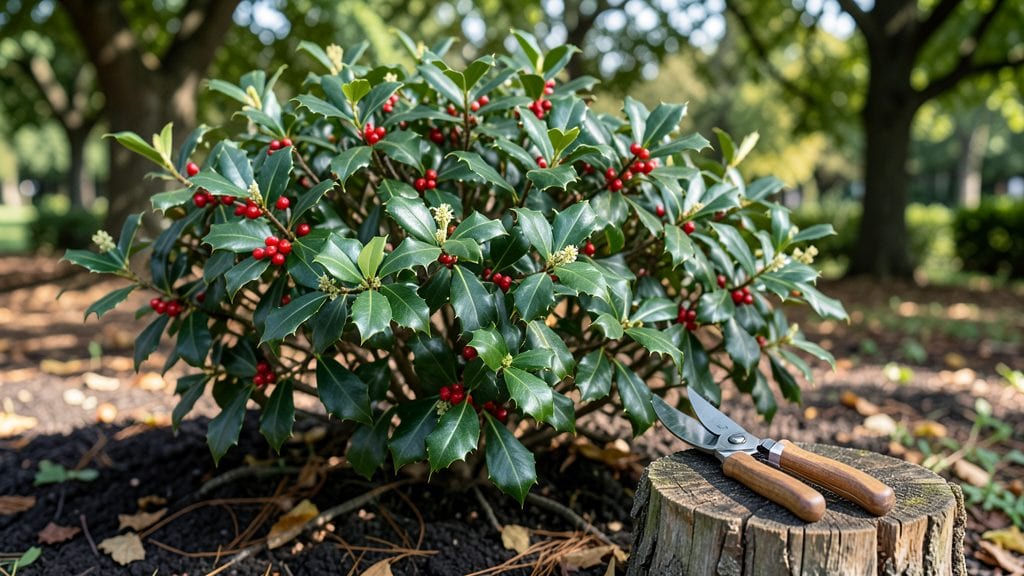
Trimming holly plants at the right time boosts blooms and keeps your 🌿 shrub looking full and healthy.
Struggling to keep your holly plants lush and full of vibrant berries? Timing your trims correctly can mean the difference between a thriving shrub and one that struggles to bloom—or worse, loses its signature shape.
Most gardeners wait until late winter or early spring, just before new growth starts, to avoid cutting into next year’s flowers. But if you’re in USDA Zone 6a or warmer, the best window is right after the last frost—usually around April—when the plant is ready to bounce back.
Below, I’ll walk you through the exact steps to trim for bushier growth, how to spot mistakes, and why getting this timing wrong can leave your holly looking sparse or bare.
Optimal seasons for trimming holly plants to encourage blooms
Timing your holly pruning correctly is the secret to a plant bursting with vibrant blooms and lush berries. Unlike many shrubs, holly produces flowers on old wood, meaning last year’s growth holds next year’s blooms.
Cutting at the wrong time can leave you with sparse flowering—or worse, no berries at all.
Most gardeners make the mistake of pruning holly in summer or fall, when the plant is already preparing for dormancy. This disrupts the natural cycle and reduces next year’s flower production. Instead, focus on late winter to early spring, just before new growth begins.
The best window is February through March, right after the last frost date in your USDA zone. For example, in Zone 6a, this typically falls between mid-February and early April. In warmer climates like Zone 8, you can prune as late as late March.
If you miss the late-winter window, your next best option is early spring—just as buds begin to swell. Avoid pruning after June, as this risks cutting off next year’s flower buds and reducing berry production.
Here’s a quick visual guide to help you decide when to trim your holly plants:
<summary-table>| Season | Best Time to Trim | Why It Matters | What to Avoid |
|---|---|---|---|
| Late Winter | February-March (after last frost) | Encourages new growth and preserves flower buds for next year. | Trimming too early (before frost passes). |
| Early Spring | March-April (as buds swell) | Promotes healthy foliage without risking berry production. | Cutting after June—damages next year’s blooms. |
| Summer/Fall | Avoid (except light shaping) | Can reduce flowering and berry yield by removing flower buds. | Heavy pruning after June 1st. |
| Winter (Dormant) | December-January (light cleanup only) | Removes dead branches without disturbing growth cycles. | Over-trimming—holly recovers slowly in cold months. |
In USDA Zone 6a, where many gardeners live, holly thrives with late winter pruning (around March). This aligns with the plant’s natural cycle, giving it time to regenerate foliage before summer heat sets in.
If you’re in a warmer zone (7-9), you can prune slightly later, but never after April.
One common mistake is pruning holly to shape it like a tree by cutting back all branches except one central stem. While this works for some shrubs, holly needs multiple stems to produce abundant flowers and berries. Instead, aim for a balanced, bushy shape by trimming outer growth only.
After pruning, holly responds well to a light fertilizer application in early spring (March-April). Use a balanced 10-10-10 NPK fertilizer to encourage new growth without overstimulating the plant. Water deeply after fertilizing to help roots absorb nutrients.
If you’ve accidentally pruned your holly at the wrong time, don’t panic. Holly is hardy and resilient, though it may take a year or two to recover full flowering and berry production.
Focus on proper care in the following seasons—like avoiding heavy pruning for at least 12 months—to help it bounce back.
For dwarf holly varieties, follow the same timing rules but prune lightly to maintain their compact size. These smaller types (like ‘compacta’ or ‘sky pencil’) are more sensitive to aggressive trimming and may struggle to recover if over-pruned.
Step-by-step guide to pruning holly plants for bushier growth
Pruning your holly plants isn’t just about keeping them neat—it’s about encouraging thicker, bushier growth and ensuring those iconic red berries appear year after year. The key? Knowing when and how to trim without damaging the plant’s ability to bloom.
Holly shrubs produce flowers on old wood, so timing is everything to avoid cutting off next year’s blooms.
Before you grab your pruning shears, let’s clarify the best seasonal window for trimming. Unlike many shrubs, holly doesn’t respond well to summer pruning, which can stress the plant and reduce berry production.
Instead, focus on late winter or early spring—just as new growth begins but before buds open. This timing ensures you’re shaping the plant without sacrificing its flowering potential.
When to Trim Holly Plants for Best Results
- Late Winter (Zone 6-8): Trim in February or early March after the warmest winter months but before bud break (typically late February to early March in most regions). This is ideal for shaping and rejuvenation.
- Early Spring (Zone 5 or colder): Wait until March or April when temperatures consistently stay above 40°F (4°C). Prune after the last frost date to avoid damaging tender new growth.
- Avoid Summer Trimming: Never prune during summer or early fall, as this can stimulate late-season growth that’s vulnerable to frost damage and reduces next year’s berry production.
- Light Maintenance in Fall: If needed, do minimal cleanup pruning in late fall (November) to remove dead or diseased branches, but avoid heavy trimming.
Now that you know when to prune, let’s talk how. Start by removing any dead, diseased, or crossing branches first—these are your priority cuts. Use sharp, clean pruning shears to make 45-degree cuts just above a leaf node or bud.
This encourages new growth in the right direction. For a denser shrub, trim back overly long branches by about one-third to promote bushier growth.
One common mistake is over-trimming holly plants, which can leave them bare and leggy. Holly shrubs are slow to recover, so never remove more than 25% of the plant’s foliage in a single session.
If your holly is young or small, limit pruning to light shaping to avoid stunting its growth. Always step back and visualize the final shape before making cuts—holly responds well to structured pruning but struggles with aggressive trimming.
After pruning, give your holly some extra care to help it recover. Water deeply to compensate for root disturbance, and apply a light layer of mulch around the base to retain moisture.
Avoid heavy fertilization immediately after pruning, as this can encourage soft, vulnerable growth. Instead, wait until early spring to feed with a balanced fertilizer to support new growth.
With the right timing and technique, your holly will reward you with lush, bushy growth and an abundance of holiday-worthy berries. Remember, holly is a patient plant, so take your time with pruning—rushing leads to mistakes. Happy trimming! 🌿✂️🌱