Pruning
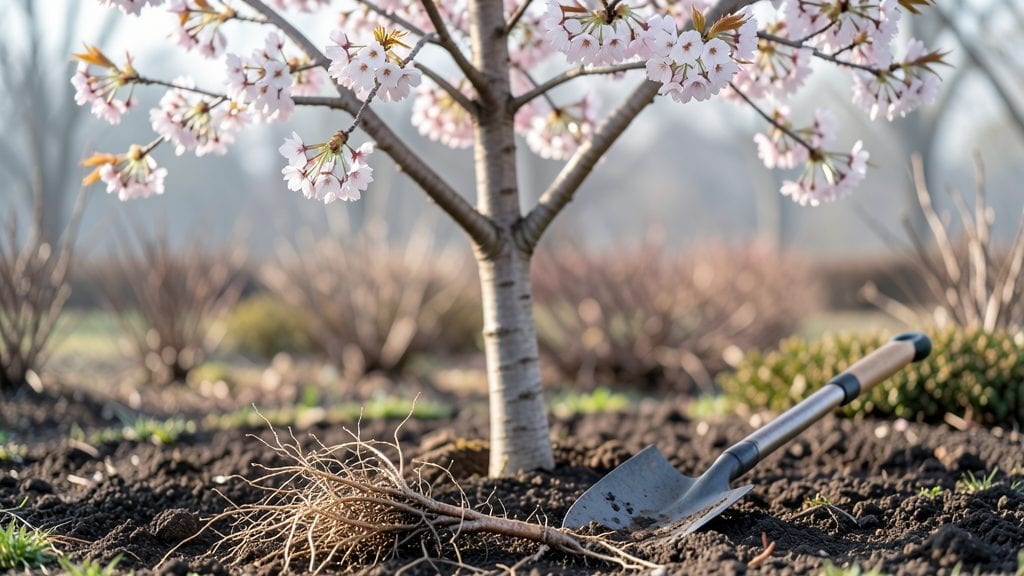
Planting a sakura tree at the right time unlocks those breathtaking pink canopies every spring. 🌸 I’ve learned that timing—late fall or early spring—makes all the difference between a thriving tree and one that struggles to bloom.
The secret lies in giving roots time to settle before the heat of summer arrives.
You’ll need well-draining soil, a sunny spot with at least 6 hours of sunlight daily, and space—these trees mature at 20-30 feet tall. Dig a hole twice as wide as the root ball but no deeper, then mix in compost for that extra boost.
Water deeply right after planting, and keep the soil moist for the first few weeks.
What you’ll get is a tree that bursts into color year after year, with blooms so vibrant they’ll make your neighborhood green with envy.
The key is patience: sakuras take 3-5 years to reach full bloom, but once they do, they reward you with 2-3 weeks of spectacular flowers that attract pollinators and fill the air with fragrance.
For cooler climates (zones 5-8), late fall planting works best—roots establish before winter dormancy. In warmer zones (9-10), early spring is ideal. Avoid planting in summer heat, and never skip the mulch—it keeps roots cool and conserves moisture. Here’s to your perfect sakura!
📚 In This Guide
- What you need
- Instructions
- Tips and common mistakes
- Wrapping up and next steps
What you need
- ● Sakura tree sapling: Choose a Prunus serrulata (Japanese cherry) variety, preferably 1–3 years old (1–2 ft tall). Opt for bare-root or potted seedlings from a nursery.
- ● Shovel or digging tool: A round-point shovel (16–18 inches) for digging holes or a transplant spade for delicate root systems.
- ● Well-draining soil: Mix 50% native soil with 50% compost (or use pre-mixed loamy soil with a pH of 5.0–6.5). Avoid clay-heavy soil.
- ● Organic mulch: 3–4 inches of wood chips, pine straw, or shredded bark to retain moisture and regulate temperature.
- ● Watering can or hose: With a gentle spray nozzle (1–2 gallons capacity) for post-planting hydration.
- ○ Fertilizer (optional but recommended): A balanced, slow-release fertilizer (10-10-10 NPK ratio) or compost tea for nutrient boost.
- ● Garden gloves: Heavy-duty nitrile-coated gloves to protect hands from thorns and soil.
- ● Pruning shears: Bypass pruners (for shaping roots if needed) or felco pruners (for cleanup).
- ○ Tree stake (optional): A 3–4 ft bamboo or metal stake + soft tie straps for young, top-heavy saplings.
- ○ Soil moisture meter (optional): To check drainage and hydration levels (especially in dry climates).
- ● Pest control (preventative): Neem oil or insecticidal soap to deter aphids or borers (common sakura pests).
Step-by-Step instructions for planting sakura trees
Here's the foolproof method I've used to grow stunning sakura trees that bloom reliably every spring.
🌱 Step 1: Choose the Right Time and Location
Plant your sakura tree in early spring or early fall when temperatures are mild—50-60°F is ideal. Avoid extreme heat or cold, which stresses young roots. I always check the USDA hardiness zone to ensure the variety matches my climate (most sakura thrive in zones 5-8).
Select a spot with full sun exposure—at least 6 hours of direct sunlight daily. Sakura trees need this for vibrant blooms and healthy growth. Test the location by observing how much sun it gets over a week. If nearby trees cast heavy shade, supplement with a south-facing exposure or choose a dwarf variety for smaller spaces.
🪴 Step 2: Prepare the Planting Hole
Dig a hole twice as wide as the root ball but only as deep as the container's base. This prevents burying the trunk too deeply, which can suffocate the tree. Loosen the sides of the hole with a shovel to encourage root spread into the surrounding soil.
Amend the native soil with 2-3 inches of compost mixed into the bottom of the hole. Sakura trees prefer slightly acidic to neutral soil (pH 6.0-7.0). If your soil is heavy clay, blend in a 50/50 mix of garden soil and compost to improve drainage. Avoid fertilizers at planting—they can burn tender roots.
💧 Step 3: Plant and Water Thoroughly
Remove the tree from its container and gently loosen the roots if they’re circling. Place it in the hole so the top of the root ball sits 1-2 inches below soil level—this helps retain moisture. Backfill with native soil, tamping lightly every 2 inches to eliminate air pockets.
Water deeply until the soil is evenly moist to a depth of 12 inches. You’ll know it’s right when water drains freely from the hole’s bottom. Mulch the base with 2-3 inches of organic mulch (like shredded bark) to retain moisture and suppress weeds. Keep the mulch 6 inches away from the trunk to prevent rot.
☀️ Step 4: Prune and Support for Growth
Trim any broken or crossing branches with clean, sharp pruners—this encourages a strong structure. Remove no more than 10-15% of the foliage to avoid shocking the tree. If your sakura is young or top-heavy, stake it with 2-3 supports tied loosely to the trunk with soft fabric strips.
Water 2-3 times weekly for the first month, then taper to once weekly once established. Watch for wilting leaves or yellowing foliage—these are signs of over- or under-watering. Sakura trees need consistent moisture but hate soggy roots, so always check the soil 2 inches down before watering.
⏰ Step 5: Monitor and Maintain for Blooms
Fertilize in early spring with a balanced, slow-release fertilizer (like 10-10-10) to support new growth. Apply it 6 inches away from the trunk and water immediately to activate nutrients. Avoid high-nitrogen fertilizers—they promote leafy growth at the expense of flowers.
Prune again in late winter to shape the tree and remove dead wood. This timing ensures blooms appear on new growth the following spring. If your sakura isn’t flowering after 3-4 years, it may need more sun or a different variety—some sakura trees take longer to mature.
Tips & tricks for perfect sakura tree planting
These game-changing tips will help you grow a sakura tree that bursts with vibrant blooms year after year!
The Heat Factor: Those ideal 50-60°F temperatures in Step 1 aren't just suggestions—they're critical! I've seen sakura trees struggle when planted in cooler or warmer conditions. If you're planting in early spring and temperatures drop below 50°F at night, consider waiting a week until daytime temps consistently stay above 60°F. The roots need warmth to establish quickly, and cold stress can set your tree back for months.
Sunlight Secret: When testing your location for those crucial 6 hours of direct sunlight in Step 1, I recommend using a simple sunlight tracker: place a white plate where you plan to plant and mark the sun's shadow every hour. If the shadow disappears for more than 1 hour during peak daylight, that spot won't work. Remember, sakura trees need this sunlight to produce the enzymes that create those stunning pink blossoms!
Root Ball Rescue: Before planting, soak the root ball in water for 10-15 minutes to hydrate the roots—this is especially important if your tree came from a nursery with dry soil. In Step 3, when you're loosening those circling roots, don't go overboard! Just gently separate them with your fingers—you're not trying to create a root salad, just encouraging natural spread. The goal is to maintain the root ball's integrity while preventing root binding.
Watering Wisdom: That 12-inch deep watering in Step 3 is more important than it sounds. I've learned the hard way that shallow watering leads to shallow roots. Use a long screwdriver to check moisture depth after watering—if it comes out dry, water again. For the first month of that 2-3 times weekly watering, I set a timer on my phone to remind me because sakura trees are notorious for thirsty roots that hate inconsistency.
Pro Tips for Sakura Tree Planting
- These game-changing tips will help you grow a sakura tree that bursts with vibrant blooms year after year!
- The Heat Factor: Those ideal 50-60°F temperatures in Step 1 aren't just suggestions—they're critical!
- If the shadow disappears for more than 1 hour during peak daylight, that spot won't work.
Frequently asked questions
Got questions about planting your own sakura tree? You’re not alone! Whether you're a first-time gardener or a seasoned pro, timing, care, and troubleshooting can feel tricky. Here are answers to the most common questions to help you grow a stunning sakura
When is the best time to plant a sakura tree?
Plant your sakura tree in early spring (March–April) or late fall (October–November) for ideal root establishment. Avoid planting in extreme heat or frost. Bare-root trees (sold dormant) can also be planted in winter (December–February) if kept moist.
How long does it take for a sakura tree to bloom?
Most sakura trees take 3–7 years to bloom after planting, depending on the variety and growing conditions. Some faster-blooming types (like Yoshino) may flower in 2–3 years with proper care. Patience is key—focus on healthy growth first!
Can I plant a sakura tree in a pot instead of the ground?
Yes! Sakura trees thrive in containers for 3–5 years, but they’ll need a large pot (15+ gallons) with drainage and well-draining soil. Choose a dwarf variety (like Shidarezakura) for long-term potted growth. Move pots indoors during winter if temperatures drop below 10°F (-12°C).
Why aren’t my sakura tree’s leaves turning green?
Yellow or pale leaves often signal nutrient deficiency (like iron or nitrogen) or overwatering. Test your soil and amend with organic matter if needed. Avoid soggy roots—sakuras hate “wet feet”. If leaves curl, check for pests (like spider mites) or bacterial leaf spot (common in humid climates).
Do sakura trees need full sun, or can they grow in partial shade?
Sakura trees love full sun (6+ hours daily)
for vibrant blooms, but they’ll tolerate partial shade (4–6 hours) in hot climates. Too little light (<3 hours) weakens growth and reduces flowers. If planting in shade, choose a shade-tolerant variety like Kanzan.
Pro Tip:
Mulch around your sakura’s base with wood chips (2–3 inches deep) to retain moisture and regulate soil temperature. Just keep mulch 6 inches away from the trunk to prevent rot!
Wrapping up and next steps
Planting a sakura tree is more than just adding beauty to your landscape—it’s a rewarding journey that connects you to nature’s seasonal rhythms. 🌸 By understanding the ideal timing, soil needs, and care tips, you’re already setting your tree up for stunning blooms and lasting health.
Whether you’re a seasoned gardener or a first-time planter, every small step—like choosing the right variety or preparing the soil—makes a difference.
Now that you’re equipped with the knowledge and tools, it’s time to roll up your sleeves and plant with confidence! Start by marking your calendar for next year’s late winter or early spring and watch your sakura tree transform your space into a breathtaking springtime oasis.
Happy planting! 🌱