Vegetables
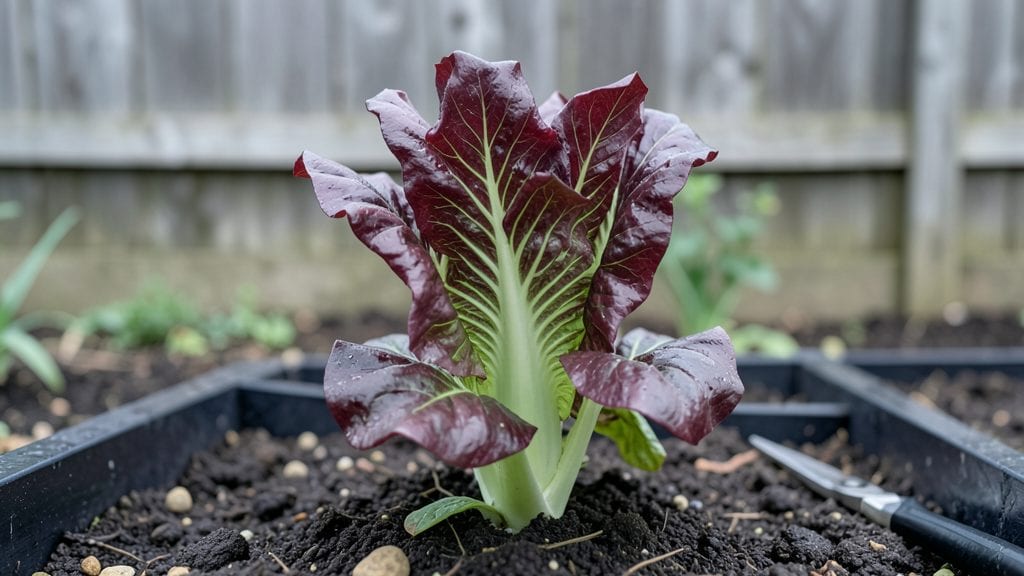
Growing a red romaine plant with crisp stems and velvety leaves starts with the right conditions—cool evenings, rich soil, and patience. I’ve learned that the deep red veins and buttery texture develop best when you mimic its Mediterranean roots, where temperatures stay mild and moisture is consistent.
The key isn’t just planting; it’s creating an environment where the plant feels at home, so it rewards you with that signature crunch and vibrant color.
You’ll need well-draining soil mixed with compost, a sunny spot getting 4-6 hours of light daily, and consistent watering—never soggy, never dry. Seeds germinate best in 55-65°F soil, so start them indoors 6-8 weeks before your last frost if your climate swings hot.
Transplants work too, but watch for bolting if temperatures creep above 80°F—the plant will send up a flower stalk and turn bitter before you can harvest.
By midseason, you’ll be snipping crisp stems for salads or sandwiches, their texture unmatched by store-bought varieties. The secret? Regular harvesting keeps the plant producing, and a light mulch preserves moisture while shielding roots from heat stress.
Even in containers, red romaine thrives if you choose a deep pot and monitor soil moisture closely.
This plant forgives mistakes—better than most greens—but it demands respect for its cool-season nature. If leaves yellow or taste bitter, it’s likely overheating or stressed. Adjust shade or watering, and you’ll be back on track. The payoff? Homegrown romaine so crisp it makes store-bought taste limp by comparison.
📚 In This Guide
- What you need
- Instructions
- Tips and common mistakes
- Wrapping up and next steps
What you need
- ● Red Romaine Seeds: 1 packet (100–200 seeds, organic preferred for best flavor). Pro tip: 💡 Look for heirloom varieties like 'Red Salad Bowl' for vibrant color!
- ● Seed Starting Mix: 1 bag (1–2 cubic feet, sterile and lightweight for germination).
- ● Growing Containers: For seedlings: 4–6 small pots (4–6 inches deep) or a seed tray with cells.
- ● For mature plants: 1 large container (12+ inches deep, 18+ inches wide) or a raised bed (minimum 12" deep).
- ● Well-Draining Soil: 1 bag (1–2 cubic feet, pH 6.0–7.0). Mix with compost for nutrient-rich soil.
- ● Watering Can or Spray Bottle: With a fine rose attachment for gentle watering.
- ● Gloves: 1 pair (gardening gloves to protect your hands).
- ● Trowel: 1 small hand trowel for transplanting seedlings.
- ● Fertilizer: 1 bottle of balanced liquid fertilizer (5-5-5 or organic fish emulsion).
- ○ Grow Lights (Optional): 1–2 LED grow lights (for indoor setups, 12–16 hours of light/day).
- ○ Mulch (Optional): Straw or shredded leaves to retain moisture and suppress weeds.
- ○ Support Stakes (Optional): 2–3 bamboo stakes or tomato cages (if growing tall varieties).
- ● A sunny spot: 6–8 hours of direct sunlight daily (indoors or outdoors).
- ● Consistent watering: Keep soil moist but not soggy (red romaine hates soggy roots!).
- ● Patience: Germination takes 7–14 days, and harvest-ready plants take 60–80 days.
Step-by-Step guide to growing a crisp red romaine lettuce plant
Here's how to cultivate a vibrant, crisp red romaine plant with stems that hold their crunch and leaves packed with buttery texture.
Select and Prepare the Optimal Growing Location
Red romaine thrives in cool weather between 40-75°F, making it perfect for early spring or fall planting. Choose a spot with full sun exposure—at least 6-8 hours of direct sunlight daily. If growing in containers, place them where they receive morning sun and afternoon shade during peak summer heat to prevent bolting.
I always test soil moisture before planting by digging down 2 inches—the soil should feel slightly damp but not soggy. If your soil drains poorly, mix in 1-2 inches of compost to improve texture and fertility. Red romaine prefers well-draining soil with a pH between 6.0 and 7.0, so a simple soil test kit ensures you're in the right range.
Sow Seeds at the Correct Depth and Spacing
Using the 1 packet of red romaine seeds, sow them ¼ inch deep in rows spaced 12-18 inches apart. Scatter seeds thinly—about 20-30 seeds per foot—since red romaine germinates best in clusters. I like to use a small hand rake to create shallow furrows, which helps maintain even spacing and makes it easier to cover seeds lightly.
After sowing, water gently with a fine mist to avoid displacing seeds. Keep the soil consistently moist until germination, which typically occurs within 7-10 days. Once seedlings reach 2 inches tall, thin them to 6-8 inches apart to give each plant room to develop sturdy stems and crisp leaves. This step is critical—crowded plants produce smaller, less flavorful heads.
Maintain Consistent Moisture and Fertility
Red romaine loves moisture but hates soggy roots, so water deeply once or twice a week, depending on rainfall. The key is to keep the top 1-2 inches of soil evenly moist—never let it dry out completely, but avoid standing water. I water in the early morning to allow foliage to dry before evening, which reduces the risk of fungal diseases like downy mildew.
Feed the plants with ½ cup of balanced 10-10-10 fertilizer every 3-4 weeks during the growing season. For organic options, use 1 tablespoon of fish emulsion diluted in water. You’ll notice the difference in leaf crispness and stem thickness within 2-3 weeks of consistent feeding. Always water after fertilizing to prevent root burn.
Harvest for Maximum Crispness and Flavor
Harvest red romaine when the heads reach 8-10 inches tall and the outer leaves are fully crisp. Use a sharp knife to cut the entire head at the base, leaving 1-2 inches of stem to encourage regrowth. For baby leaves, harvest outer leaves as needed, allowing the center to continue growing. This method extends your harvest by 2-3 weeks and keeps the plant productive.
To maintain crispness, harvest in the morning when temperatures are coolest. Store unwashed heads in a plastic bag with a paper towel in the refrigerator, where they’ll stay fresh for up to 2 weeks. For the crispiest stems, avoid washing until just before use—excess moisture breaks down cell structure and softens the texture.
Tips & tricks for perfect red romaine lettuce growth
These essential strategies will help you cultivate red romaine lettuce with the signature crisp stems and buttery leaves you're after.
Soil Preparation Secret: The key to crisp stems starts in Step 1 with your soil preparation. Before planting, I recommend adding a layer of coarse sand to improve drainage, especially if your native soil compacts easily. Red romaine's roots need oxygen to develop strong, sturdy stems that hold their crunch. Test your soil's moisture by pressing your finger 2 inches deep—it should feel like a damp sponge, not a wet cloth. This moisture level prevents both wilting and root rot, both of which compromise crispness.
Germination Timing Strategy: In Step 2, when maintaining consistent moisture until germination, I've found that using a clear plastic dome or row cover creates a greenhouse effect that speeds germination to the 7-10 day window while preventing soil crusting. The moment you see those first tiny leaves, remove the cover immediately to prevent overheating. This creates the perfect balance between rapid germination and healthy seedling development, setting the stage for crisp leaves.
Fertilization Technique: The feeding schedule in Step 3 deserves special attention. When applying your ½ cup of 10-10-10 fertilizer, I recommend splitting it into two applications—half at planting and half after 3 weeks. This gradual approach prevents salt buildup that can stress roots and lead to softer stems. For organic gardeners, the fish emulsion should be diluted to half-strength (½ tablespoon) to avoid over-fertilizing, which creates tender rather than crisp leaves.
Harvesting for Maximum Crispness: In Step 4, when harvesting, I've discovered that using a serrated knife rather than scissors creates cleaner cuts that heal faster, encouraging regrowth. The 1-2 inch stem you leave behind should be firm to the touch—any mushiness indicates over-mature stems. For continuous harvests, I recommend cutting every other plant one week, then the remaining plants the following week to maintain even growth patterns throughout your garden.
Pro Tips for Red Romaine Plant
- These essential strategies will help you cultivate red romaine lettuce with the signature crisp stems and buttery leaves you're after.
- Soil Preparation Secret: The key to crisp stems starts in Step 1 with your soil preparation.
- The moment you see those first tiny leaves, remove the cover immediately to prevent overheating.
Frequently asked questions
How long does it take for a red romaine plant to grow from seed to harvest?
A red romaine plant typically takes 60–80 days to reach maturity from seed, depending on your climate and growing conditions. If you’re starting with transplants, you can shave off about 2–3 weeks. For the crispiest stems and tender leaves, aim to harvest when the plant is just 12–18 inches tall—before it bolts or flowers.
Can red romaine survive cold weather, and how do I protect it?
Red romaine is a cool-season crop and can tolerate light frosts down to 25–30°F (-4 to -1°C). To protect it from hard freezes, cover plants with frost cloth or row covers. For extreme cold, transplant seedlings into containers and move them indoors near a sunny window. Mulching with straw also helps insulate roots.
What’s the best way to harvest red romaine for maximum crispiness?
Harvest outer leaves first to encourage continuous growth, or cut the entire plant at the base when ready. For crispy stems, blanch the plant for 2–3 minutes in boiling water before cooking. To store, wrap loosely in a damp paper towel and refrigerate for up to 5 days. For longer storage, freeze blanched leaves in airtight bags.
What can I do if my red romaine plant is bolting (going to seed) too early?
Bolting usually happens due to heat stress, long daylight, or overmaturity. To delay it, provide consistent watering and shade cloth during hot days. For established plants, harvest the outer leaves aggressively to redirect energy. If bolting is unavoidable, save seeds for next season or use the flowers in salads—they’re edible and add a peppery kick!
Are there any alternatives to red romaine if I can’t grow it myself?
Try these similar leafy greens for texture and flavor:
- Little Gem lettuce – Compact with crisp stems, great for grilling.
- Oakleaf lettuce – Deep red varieties with sturdy leaves.
- Endive or radicchio – Bitter, crunchy, and perfect for roasting.
- Swiss chard (red-stemmed) – Hearty and colorful, with edible stems.
Wrapping up and next steps
Growing your own red romaine plant is a rewarding journey that brings vibrant greens—and crispy, buttery goodness—to your table! Whether you’re savoring the tender stems or layering the leaves into salads, this versatile plant proves that homegrown flavor is unbeatable. 🌱✨
Ready to take the next step? Start small—try a pot on your balcony or dedicate a patch in your garden—and watch your harvest grow. Share your crispy creations with friends, or experiment with new recipes to make every bite unforgettable!