Pruning
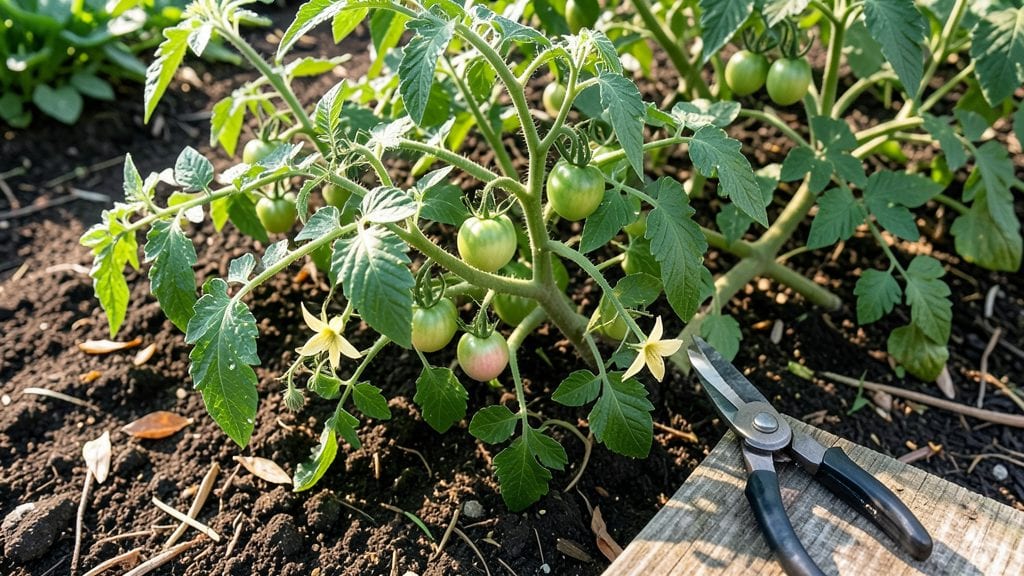
Pruning vegetable plants isn't just trimming—it's the secret to bigger harvests and healthier plants all season. 🌱 I learned this the hard way after my tomato plants grew wild, shaded their own fruit, and produced a fraction of what they could have.
The right cuts redirect energy where it matters most, and the difference in yield is shocking.
Most gardeners skip pruning because they fear cutting too much, but the key is working with—not against—the plant's natural growth. Tomatoes need their suckers pinched early, cucumbers benefit from removing excess vines to improve air flow, and beans thrive when you snip back leggy stems.
The goal is always the same: more light, better circulation, and fewer diseases. Start with clean, sharp pruners and sanitize them between plants to prevent spreading anything unwanted.
You'll notice the payoff within weeks—plants grow bushier, fruit sets faster, and you avoid the heartbreak of blight or mildew ruining your hard work. Even a few strategic cuts can turn a struggling plant into a powerhouse.
The best part? Every snip you make is compost gold—rich in nutrients for next year's garden. Let's get those pruners sharp and make this season your most productive yet.
Timing matters, but don't stress over perfection. Early spring and late summer are ideal for most vegetables, but always prune after heavy rain when stems are flexible. And remember: if you're unsure, less is more—you can always trim back more later, but you can't un-cut what's gone.
Confidence comes with practice, so start small and watch your garden respond.
📚 In This Guide
- What you need
- Instructions
- Tips and common mistakes
- Wrapping up and next steps
What you need
- ● Pruning shears or bypass pruners – Choose sharp, clean ones (e.g., Felco F-2 or Corona Tools) to avoid damaging plant tissue. Size matters: Small blades (3–4") for delicate veggies like tomatoes; larger (5–6") for heartier plants like squash.
- ● Garden gloves – Opt for nitrile-coated or leather gloves (size medium/large) to protect hands from thorns (e.g., okra) or rough stems.
- ● Disinfectant (70% isopropyl alcohol or bleach solution) – 1 part bleach to 9 parts water to sterilize tools between cuts and prevent disease spread.
- ● Sharp knife or razor blade – For precise cuts on small plants (e.g., herbs or lettuce). Use a sterilized single-edge razor if needed.
- ● Compost bin or bag – To collect pruned debris and return nutrients to your garden.
- ● Pruning saw – For thick, woody stems (e.g., mature tomato suckers or squash vines). Look for a curved blade for ease.
- ● Plant markers or labels – To track pruning dates or identify varieties (e.g., colored stakes or waterproof tags).
- ● Hose with nozzle – To rinse tools and clean away sap/resin after pruning sticky plants (e.g., cucumbers or melons).
- ○ Plant growth regulator (optional) – Products like hydrogen peroxide (3%) or copper-based sprays to seal cuts and prevent infection.
- ● Know your plant’s growth stage – Prune tomatoes/squash when plants are 12–18" tall; herbs after flowering begins.
- ● Check the weather – Avoid pruning within 24 hours of rain or extreme heat/cold to reduce stress.
- ● Identify diseased plants – Do not prune if your plants show signs of blight, powdery mildew, or pests. Isolate and treat first!
How to prune vegetable plants for healthier growth
Strategic pruning boosts yields and keeps plants thriving—here's how to do it right.
✂️ Step 1: Identify the Right Plants and Tools
Not all vegetables need pruning, but focus on tomatoes, peppers, squash, and herbs first. Use clean, sharp pruning shears or scissors—dull tools crush stems and invite disease. I always sterilize my tools with rubbing alcohol between cuts to prevent spreading pathogens.
Look for overcrowded foliage, yellowing leaves, or suckers growing from the base. These are your first targets. Avoid pruning during wet weather—the open wounds take longer to heal and attract pests.
✂️ Step 2: Remove Dead or Diseased Foliage First
Start by snipping off any brown, black, or mushy leaves at the base of the stem. Diseased leaves spread problems faster than you can say "blight." Cut ½ inch above a healthy leaf or stem to prevent ragged edges that trap moisture.
If you see white powdery spots or blackened patches, remove those leaves immediately and dispose of them in the trash—not the compost. Healthy plants redirect energy to fruit production when you clear out the dead weight.
✂️ Step 3: Thin Out Overcrowded Growth
For tomatoes and peppers, focus on removing suckers—those small shoots growing between the main stem and branches. Pinch them off when they're 1-2 inches long to redirect energy to fruit development. I do this every 1-2 weeks during the growing season.
For squash and cucumbers, thin vines so they have 12-18 inches of space between plants. Overcrowding leads to weak stems and poor air circulation. Watch for yellowing leaves on the lower stems—this signals overgrowth.
✂️ Step 4: Encourage Airflow and Sunlight
Prune back any branches that block sunlight from reaching the center of the plant. Aim for open, airy growth—this prevents fungal diseases like powdery mildew. For herbs like basil and mint, trim the top ⅓ of the plant to encourage bushier growth.
After pruning, step back and check for gaps where sunlight can now reach. If you see shadows on leaves that were previously shaded, you've done it right. Avoid cutting into the main stem—this is the plant's lifeline.
✂️ Step 5: Harvest and Prune Simultaneously
When you harvest, use the same cuts to shape the plant. For tomatoes, remove any side shoots that grow below the first flower cluster. For peppers, trim back any stems that have produced fruit to encourage new growth.
I always prune after a rain shower when the soil is moist—this reduces stress on the plant. Stop pruning 4-6 weeks before the first frost to let the plant recover and store energy for next season.
Tips & tricks for pruning vegetable plants like a pro
Pruning isn't just about cutting—it's about strategic growth. Here's how to maximize your harvest with these essential tips.
The Timing Secret: I've learned the hard way that pruning after a rain shower makes all the difference. The soil stays moist, so the plant doesn't experience stress from the cuts. Plus, the humidity helps the wounds heal faster. Early morning is ideal—it gives the plant time to recover before the heat of the day.
Tool Technique: Don't just grab any scissors! Use clean, sharp pruning shears and always sterilize them with rubbing alcohol between cuts. Dull tools crush stems, creating entry points for diseases. I keep a small bottle of alcohol in my gardening bucket for quick sterilization between plants. This one habit has cut my plant losses by half.
Visual Cues for Healthy Cuts: When removing suckers from tomatoes or peppers, look for that perfect 1-2 inch size mentioned in Step 3. The key is to cut at a 45-degree angle just above a leaf node—this creates a larger surface area for faster healing. I always check for the tiny leaf buds at the base of the stem before making the cut. These buds are where new growth will emerge.
Seasonal Strategy: Remember that 4-6 week rule before frost? I mark my calendar with a big red X 4 weeks before the first frost date in my zone. This gives me plenty of time to finish all my pruning while still allowing the plants to recover. For herbs like basil, I even bring potted plants indoors before the final pruning to extend their season.
Pro Tips for Prune Vegetable Plants
- Pruning isn't just about cutting—it's about strategic growth.
- The Timing Secret: I've learned the hard way that pruning after a rain shower makes all the difference.
- Tool Technique: Don't just grab any scissors!
Frequently asked questions
Got questions about pruning your veggie plants? You’re not alone! Here are answers to the most common concerns—so you can prune with confidence and boost your harvests.
When is the best time to prune vegetable plants?
The ideal time depends on the plant! For leafy greens (like kale or spinach), prune in early spring or after harvest. For tomatoes, peppers, and cucumbers, prune when plants are young (3–4 weeks old) and again during fruiting season. Always avoid pruning during flowering or fruiting unless necessary—focus on new growth periods.
What parts of the plant should I cut off?
Pruning goals vary by plant:
- Tomatoes: Remove suckers (shoots between stems and branches) and lower leaves to improve airflow.
- Peppers: Trim overcrowded branches and yellowing leaves to redirect energy to fruit.
- Cucumbers/Squash: Prune vines to encourage bushier growth (unless you prefer trailing varieties).
- Herbs (like basil): Pinch back top growth to promote bushiness.
Always use clean, sharp shears to avoid damaging the plant.
How often should I prune my vegetable plants?
Frequency depends on growth speed:
- Fast growers (tomatoes, cucumbers): Prune every 2–4 weeks during the growing season.
- Moderate growers (peppers, beans): Prune once or twice per season (spring and mid-summer).
- Slow growers (herbs, leafy greens): Light pruning every 4–6 weeks suffices.
Monitor your plants—if they look stressed or overcrowded, it’s time to prune!
What if I prune too much? Will my plant die?
Don’t worry—most veggie plants are hardy! Over-pruning can stunt growth or reduce harvests, but it won’t kill the plant unless you remove all leaves (which blocks sunlight). If you’ve gone overboard, stop pruning for a few weeks and focus on watering and fertilizing. Your plant will recover with time!
Are there any vegetable plants I shouldn’t prune?
Some plants don’t need pruning—or may even suffer from it:
- Root vegetables (carrots, potatoes, beets): Pruning can expose roots or stress the plant.
- Corn: Pruning removes ear-producing stalks—avoid it entirely!
- Peas/beans (bush varieties): Pruning can reduce pod production.
Stick to determinate (bush) or indeterminate (vining) plants that benefit from pruning.
Wrapping up and next steps
Pruning your vegetable plants isn’t just about trimming—it’s a game-changer for healthier growth and bigger, tastier harvests. 🌱 By mastering the right techniques, you’re not only boosting yields but also ensuring your plants thrive with less stress.
Whether you’re a seasoned gardener or just starting, every strategic cut brings you closer to a flourishing garden.
Now that you’re armed with the how-tos and pro tips, why not put your knowledge into action? Grab your shears, head to your garden, and watch your plants—and your confidence—grow! 🌿✨