Trees
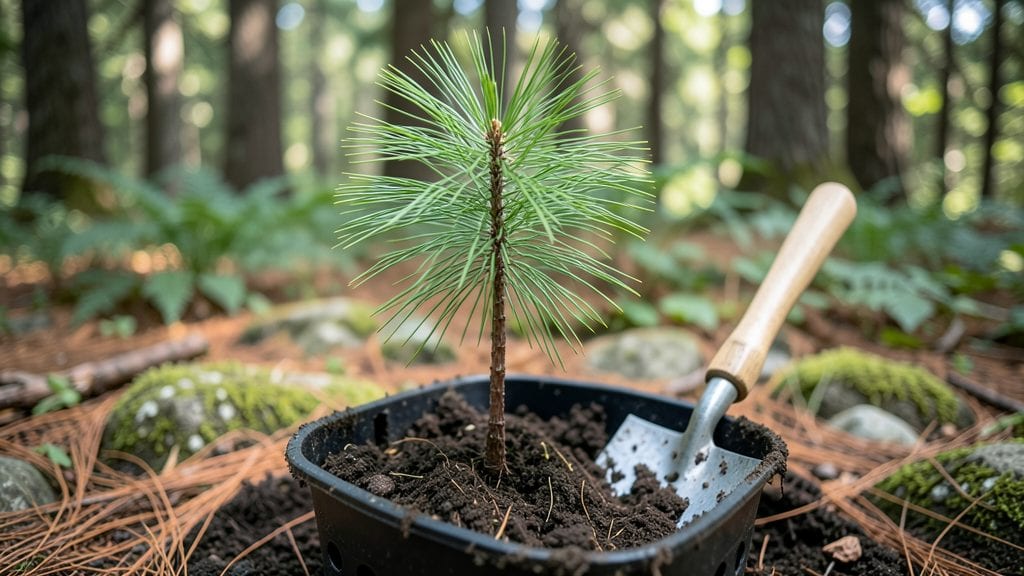
Planting redwood trees is like inviting a 300-foot giant into your yard—except these coastal giants thrive in surprisingly small spaces. 🌿 I planted my first redwood sapling five years ago, and it’s now taller than my garage roof, proving these trees aren’t just for forests.
The secret lies in mimicking their foggy, coastal homeland: rich soil, consistent moisture, and patience that pays off in decades of towering green.
You’ll need a spot with partial shade (especially inland) and soil that drains well but holds moisture—think of it as a mix of forest floor and garden bed. Redwoods hate soggy roots but love humidity, so mulch heavily and water deeply after planting.
Spacing matters: give mature trees at least 20 feet apart, but saplings can start closer if you’re planning long-term growth. The key is patience; these trees grow slow at first but explode upward once established.
By year three, you’ll see the first real growth spurt—needle clusters thickening, branches filling out. The real magic happens in 10-15 years, when your redwood starts casting shade like a living cathedral.
Just avoid common mistakes: overwatering (they hate wet feet), planting too deep (keep the root flare visible), and assuming they’ll handle heat—coastal redwoods need cooler summers to thrive inland.
Works for coastal homes, inland yards with shade, and even large containers (for dwarf varieties). The payoff? A living monument that outlasts your grandchildren. Ready to grow one?
📚 In This Guide
- What you need
- Instructions
- Tips and common mistakes
- Wrapping up and next steps
What you need
- ● Redwood seedlings or saplings: Choose 1-3-year-old trees (3–6 ft tall) from a reputable nursery. Sequoia sempervirens (coast redwood) thrives in coastal climates, while Sequoiadendron giganteum (giant sequoia) prefers inland, drier conditions.
- ● Shovel or digging bar: For planting holes 3x wider and as deep as the root ball.
- ● Compost or well-aged manure: 5–10 gallons per tree to enrich soil.
- ● Mulch (wood chips or bark): 3–4 inches around the base (avoid direct contact with the trunk).
- ● Watering can or hose with a gentle spray nozzle: Redwoods need consistent moisture during establishment.
- ○ Tree stakes (optional but helpful): 2–3 stakes per tree (4–6 ft tall) for young saplings in windy areas.
- ● Tree ties or soft fabric strips: To secure stakes without damaging the trunk.
- ● Location: Full sun to partial shade. Sequoia sempervirens loves humid coastal climates (USDA Zones 5–9); Sequoiadendron giganteum prefers well-drained, slightly acidic soil (Zones 6–9).
- ● Soil pH: 5.0–7.0 (test with a soil kit if unsure). Amend clay soil with sand or peat moss for drainage.
- ● Space: Minimum 20–30 ft between trees (they grow 1–2 ft per year and can reach 300+ ft tall!).
- ● 💡 Water deeply 2–3 times per week for the first year—redwoods hate drought stress!
- ● 🌡️ Plant in fall or early spring to avoid extreme heat or frost.
- ● 🎯 Avoid over-mulching—keep mulch 3–4 inches away from the trunk to prevent rot.
Step-by-step instructions for planting redwood trees
Here's how to give these coastal giants the strong start they need to thrive for centuries.
🌱 Step 1: Choose the Perfect Planting Site and Time
Redwoods demand full sun to partial shade—at least 6 hours of direct sunlight daily—but they tolerate light shade in hotter inland climates. I always plant mine in late fall or early winter when soil temperatures are cooler. This gives roots time to establish before summer heat arrives.
Dig a hole twice as wide as the root ball but only as deep as the container's bottom. The top of the root ball should sit 1-2 inches above ground level—this prevents waterlogging. If your soil drains poorly, amend it with 3-4 inches of compost mixed into the bottom of the hole.
🪴 Step 2: Prepare the Tree and Plant with Care
Remove the redwood from its container and gently loosen the roots if they're circling. I like to soak the root ball in lukewarm water for 15-20 minutes before planting—this helps reduce transplant shock. Place the tree in the hole so the root flare (where roots meet the trunk) sits just above soil level. Never bury it deeper than it grew in the container.
Backfill with the native soil, tamping lightly every 3-4 inches to eliminate air pockets. Water deeply until moisture reaches 6 inches down—you'll see water pooling at the surface before it drains. Mulch with 3-4 inches of wood chips, keeping it 6 inches away from the trunk to prevent rot.
☀️ Step 3: Water and Protect During the Critical First Year
Water your redwood deeply once a week during the first year, providing 10-15 gallons per tree each time. You'll know it's enough when water drains 6 inches deep. Redwoods hate soggy roots, so always let the top 2 inches of soil dry out between waterings. In summer, I check moisture by sticking my finger 2 inches down—if it feels dry, it's time to water.
Install a tree guard (made from wire mesh or hardware cloth) to protect young trunks from deer and rabbits. These giants grow slowly at first, so physical damage in their early years can stunt them permanently. Prune only to remove dead or crossing branches—never shape the tree, as redwoods develop their iconic form naturally.
⏰ Step 4: Maintain Long-Term Health for Century-Long Growth
After the first year, redwoods become more drought-tolerant but still need deep watering every 2-3 weeks during dry spells. Fertilize lightly in early spring with balanced 10-10-10 fertilizer, applying ½ pound per inch of trunk diameter. Over-fertilizing causes weak, fast growth that's prone to breakage in storms.
Monitor for aphids or spider mites—their first sign is sticky residue on leaves. Spray with neem oil if you spot them, but redwoods rarely need treatment if planted correctly. These trees thrive with minimal intervention once established. The key is patience—your redwood won't reach 10 feet tall for 5-7 years, but once it does, it's on its way to becoming a coastal landmark.
Tips & tricks for perfect redwood tree planting
Planting these majestic giants right means they'll reward you with centuries of coastal beauty. Here's what I've learned from watching my own redwoods thrive.
Site Selection Matters: While redwoods tolerate some shade, that 6 hours of direct sunlight is non-negotiable for their iconic growth. I've seen trees planted in too-shady spots grow slowly and develop weak trunks. For inland climates, choose the sunniest spot you have—even if it means partial shade, position the tree where it gets morning sun and afternoon light. The cooler coastal temperatures give them more flexibility, but inland redwoods need that extra sunlight to photosynthesize properly.
Root Ball Prep is Critical: That 15-20 minute soak before planting isn't optional—it's what prevents transplant shock. I've seen redwoods struggle when planted dry, with roots that couldn't absorb water immediately. Use lukewarm water (not cold) to mimic natural spring conditions. After soaking, gently squeeze the root ball to check moisture—it should feel damp but not soggy. This step alone can mean the difference between a thriving tree and one that struggles for years to recover.
Watering Wisdom: The 6-inch deep watering in Step 3 is crucial, but timing matters just as much. I water in the early morning to prevent fungal growth from evening moisture. For that 10-15 gallons per tree, use a hose with a gentle spray setting—forceful water can damage the delicate root structure. The key is to saturate deeply but not create puddles that could rot the roots. Think of it like giving your tree a long, refreshing drink rather than a quick splash.
Long-Term Growth Hack: That 5-7 year wait to reach 10 feet might seem long, but it's actually good news—slow growth means stronger wood that can withstand storms. I mark my redwoods' height on a nearby post each spring to track progress. Remember, redwoods grow fastest when they're young, so give them the best start possible. The 2-3 week watering schedule after year one should become second nature—it's what builds that massive root system that will support your tree for centuries.
Pro Tips for Planting Redwood Trees
- Planting these majestic giants right means they'll reward you with centuries of coastal beauty.
- Site Selection Matters: While redwoods tolerate some shade, that 6 hours of direct sunlight is non-negotiable for their iconic growth.
- Root Ball Prep is Critical: That 15-20 minute soak before planting isn't optional—it's what prevents transplant shock.
Frequently asked questions
Got questions about growing these majestic giants? Here are answers to the most common ones—from timing to troubleshooting—so you can plant with confidence!
When is the best time to plant redwood trees?
Plant redwoods in early spring (March–April) or fall (September–October) for optimal root establishment. Avoid extreme heat or frost—these trees thrive in mild, moist conditions. If planting in summer, water deeply daily until roots settle.
How close can I plant redwoods to my house or fence?
Keep redwoods at least 30–50 feet from structures to prevent root damage or foundation issues. Their shallow, spreading roots need space! If your yard is small, consider dwarf varieties like Sequoia sempervirens 'Pendula', which stay under 20 feet tall. Measure twice—your future self will thank you!
Do redwoods need a lot of water, and how often should I water them?
Young redwoods love consistent moisture—water 2–3 times per week in dry spells (deep soak, not light sprinkles). Mature trees are drought-tolerant but still prefer well-drained, acidic soil. Mulch heavily (3–4 inches) to retain humidity.
Pro tip: Use a soaker hose to avoid fungal issues from overhead watering.
Can I grow redwoods in containers, or do they need to be planted in the ground?
Redwoods prefer ground planting due to their massive root systems, but young seedlings (under 3 years old) can thrive in large containers (15+ gallons). Use a fast-draining mix with peat and perlite. Move potted redwoods outdoors in spring/summer and bring them inside if temps drop below 20°F.
What pests or diseases should I watch for, and how do I treat them?
Redwoods are resilient but can face aphids, spider mites, or root rot in poor drainage. Prevent pests with neem oil sprays and improve soil aeration to avoid rot. If you spot brown needles or sawdust-like frass, prune affected branches and treat with insecticidal soap.
Warning: Never use chemical pesticides—redwoods are sensitive!
How fast do redwoods grow, and when will they reach maturity?
Coast redwoods grow 2–3 feet per year in ideal conditions (cool, foggy climates). They reach maturity (60–100+ feet tall) in 30–50 years. For faster (but smaller) growth, opt for hybrid varieties like 'Pendula' or 'Golden Dawn'. Patience is key—these trees are built for the ages!
Wrapping up and next steps
Planting redwood trees isn’t just about nurturing towering giants—it’s a legacy for future generations. 🌲 With the right soil, spacing, and care, you’re setting the stage for centuries of growth, resilience, and even climate benefits.
Whether you’re a seasoned gardener or a curious beginner, every seedling you plant today will stand as a testament to your commitment to the planet.
Ready to take the next step? Start small—research local nurseries, connect with redwood conservation groups, or even volunteer for reforestation projects! Your green thumb could help restore ecosystems one mighty redwood at a time.