Flowers
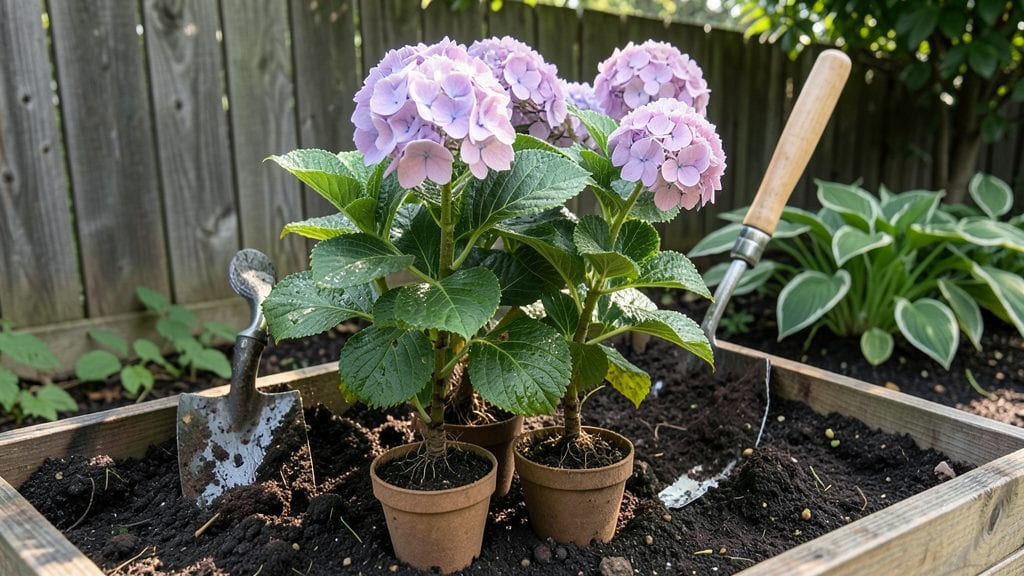
Planting hydrangea flowers in the right spot turns a shrub into a showstopper that blooms bigger than you ever imagined. 🌿 I learned the hard way that hydrangeas aren’t one-size-fits-all—some need morning sun and afternoon shade, while others thrive in full sun all day.
The secret lies in matching your variety to light conditions and soil pH, which directly controls those stunning blue or pink blooms.
You’ll need a few basics: well-draining soil (hydrangeas hate soggy roots), a spot with at least 4-6 hours of sun (depending on variety), and space to grow—most need 3-5 feet between plants.
Containers work too, but they dry out faster, so choose a pot with drainage holes and keep it consistently moist. The payoff? Lush clusters of blooms that last from summer through fall.
Once planted, water deeply 2-3 times per week for the first month to help roots establish. After that, hydrangeas are surprisingly low-maintenance—they’ll reward you with football-sized blooms if you feed them once in early spring and again in midsummer.
Prune in late winter or early spring to shape the plant and encourage next year’s flowers.
This works for both in-ground plantings and containers, whether you’re in a sunny backyard or a shady patio corner. The key is patience—hydrangeas take 1-2 years to reach full bloom potential, but once they do, your neighbors will be asking for cuttings. Ready to grow your own bold statement plants?
📚 In This Guide
- What you need
- Instructions
- Tips and common mistakes
- Wrapping up and next steps
What you need
- ● Hydrangea plants: Choose between bigleaf, panicle, or oakleaf varieties (1–3 plants per location, depending on desired fullness). Opt for container-grown (for immediate planting) or bare-root (for spring planting).
- ● Well-draining potting mix or garden soil: 3–5 gallons per plant (amend with compost or peat moss for nutrient-rich soil). For blue blooms, add sulfur or aluminum sulfate (follow package instructions).
- ● Garden fork or trowel: For digging holes (2–3x wider than the root ball) and loosening soil.
- ● Mulch (pine bark, wood chips, or shredded leaves): 2–3 inches to retain moisture and regulate soil temperature.
- ● Watering can or hose with a gentle spray nozzle: Hydrangeas need 1–2 inches of water weekly (more in containers).
- ○ Fertilizer (optional but recommended): Balanced granular fertilizer (10-10-10 or 20-20-20): 2–3 tablespoons per plant at planting time.
- ● Slow-release fertilizer (like Osmocote): 1–2 pellets per plant in early spring.
- ● Pruning shears: For shaping after flowering (if needed).
- ● Soil pH test kit: Hydrangeas prefer acidic soil (pH 5.2–6.0) for vibrant colors. Adjust with lime (to raise pH) or vinegar/sulfur (to lower pH) if needed.
- ● Epsom salt (magnesium sulfate): 1 tablespoon dissolved in 1 gallon of water every 4–6 weeks for extra-green foliage.
- ● Copper or iron chelates: If leaves appear yellow (sign of nutrient deficiency).
- ● Plant supports (stakes or cages): For panicle hydrangeas, which can get heavy with blooms.
- ● Container with drainage holes: If planting in pots (minimum 15–20 gallons per plant).
Step-by-step instructions for planting hydrangeas
Here's how to plant hydrangeas for maximum blooms—my go-to method for sun-loving varieties.
🪴 Step 1: Choose the Perfect Planting Spot
Hydrangeas thrive in morning sun with afternoon shade, especially in hotter climates. Look for a location with 4-6 hours of direct sunlight and dappled shade after noon. The soil should drain well but retain moisture—hydrangeas hate soggy roots but need consistent hydration.
I always test drainage by digging a hole and filling it with water. If it drains in under an hour, the spot's good. If water pools after 2 hours, amend the soil with 2 inches of organic compost to improve structure. Avoid low-lying areas where water collects after rain.
🌱 Step 2: Dig and Amend the Soil
Dig a hole twice as wide as the hydrangea's root ball but only as deep as the container's height. This prevents burying the stem too deeply, which can cause rot. Loosen the soil at the bottom of the hole with a garden fork to encourage root spread.
For acid-loving varieties like Bigleaf or Oakleaf hydrangeas, mix 2 cups of peat moss or sulfur-based fertilizer into the backfill soil. This keeps the pH between 5.2-5.5, which is critical for vibrant blooms. If your soil is alkaline, you'll need to maintain this acidity with regular amendments.
💧 Step 3: Plant and Water Deeply
Gently remove the hydrangea from its container and place it in the hole, ensuring the top of the root ball sits 1 inch above ground level. This prevents stem rot from sitting water. Spread the roots outward—hydrangeas grow best when roots aren't crowded.
Backfill with the amended soil, tamping lightly as you go to remove air pockets. Water immediately with 1 gallon of water per plant to settle the soil. After planting, mulch with 2-3 inches of shredded bark or pine needles to retain moisture and regulate soil temperature. Keep the mulch 3 inches away from the stem to prevent rot.
☀️ Step 4: Provide Ongoing Care for Bold Blooms
Water hydrangeas 1-2 inches per week, more in extreme heat. I check soil moisture by sticking my finger 2 inches deep—if it feels dry, it's time to water. Avoid wetting the foliage to prevent fungal diseases like powdery mildew.
Fertilize in early spring with a balanced, slow-release fertilizer (10-10-10) and again in midsummer with a low-phosphorus, high-potassium blend (like 5-10-10) to encourage blooms. Prune spent flowers in late fall or early spring, cutting back to the first set of healthy buds. This ensures next year's blooms will be even bigger.
Tips & tricks for perfect hydrangea planting
Here's what nobody tells you about planting hydrangeas that'll transform your garden from ordinary to extraordinary.
Sunlight Strategy: The 4-6 hours of morning sun is non-negotiable for sun-loving varieties, but I've found the afternoon shade threshold can stretch to 8 hours in cooler climates. If your hydrangea gets full afternoon sun, be prepared to water more frequently—these plants will show you when they're thirsty by wilting slightly. Trust me on this: a hydrangea that's slightly wilted in the afternoon is telling you it needs more shade or water.
Drainage Test: That 2-hour water test is your secret weapon against root rot. I've seen gardeners skip this step and end up with sad, yellowing leaves within weeks. If your soil drains in under an hour, you're golden. If it takes longer, you're looking at potential waterlogging. Pro tip: For containers, always use pots with drainage holes and elevate them slightly to prevent water pooling at the bottom.
Soil pH Hack: The 2 cups of peat moss or sulfur-based fertilizer isn't just about the numbers—it's about creating that perfect 5.2-5.5 pH window. Here's my game-changer: I mix in a handful of coffee grounds (used, not fresh) along with the peat moss. The coffee grounds are acidic and provide a slow-release nitrogen boost. Just don't overdo it—stick to about 1 cup per plant to avoid nitrogen burn.
Planting Depth: That 1-inch elevation above ground level is critical for preventing stem rot, but I've learned the hard way that it's easy to bury stems too deeply when backfilling. Use a small stick or marker to note the original soil line on the root ball before planting. This visual reference makes it impossible to bury stems too deeply while ensuring proper drainage at the base.
Pro Tips for Planting Hydrangea Flowers
- Here's what nobody tells you about planting hydrangeas that'll transform your garden from ordinary to extraordinary.
- Sunlight Strategy: The 4-6 hours of morning sun is non-negotiable for sun-loving varieties, but I've found the afternoon shade threshold can stretch to 8 hours in cooler climates.
- Drainage Test: That 2-hour water test is your secret weapon against root rot.
Frequently asked questions
Got questions about planting hydrangeas? You’re not alone! Here are answers to the most common concerns—whether you're a first-time gardener or a seasoned pro looking to refine your technique.
When is the best time to plant hydrangeas?
The ideal window is early spring (after the last frost) or early fall (6–8 weeks before the first frost). This gives roots time to establish before extreme heat or cold. Avoid planting in late summer—hydrangeas hate transplant shock when stressed by heat or drought.
Do hydrangeas really need full sun?
Most hydrangeas thrive in partial shade (4–6 hours of sun daily), especially in hot climates. Sun-loving varieties like Hydrangea paniculata (e.g., ‘Limelight’) tolerate full sun but need consistent moisture. Test your spot: If leaves scorch by midday, opt for dappled shade.
Why are my hydrangea leaves turning brown?
Brown leaves usually signal overwatering (root rot) or underwatering (drought stress). Check soil moisture—hydrangeas prefer evenly moist (not soggy) soil. Yellowing leaves? Test pH (aim for 5.2–6.0 for blue blooms) or check for pests like spider mites.
Can I plant hydrangeas in containers?
Use a large pot (15+ gallons) with drainage holes and a well-draining potting mix. Container hydrangeas dry out faster—water daily in summer and fertilize monthly. Pro tip: Move pots to a shady spot during peak afternoon sun to prevent leaf scorch.
How do I revive a struggling hydrangea?
Start with these fixes:
- Prune dead/diseased stems in early spring.
- Amend soil with compost for nutrients.
- Water deeply 2–3 times/week (not daily shallow watering).
- Adjust pH with lime (raise pH) or sulfur (lower pH) for color changes.
Wrapping up and next steps
Planting hydrangeas is a rewarding journey that brings big, bold blooms and lush greenery to your garden—with just the right balance of sun, soil, and care! 🌞 By choosing the perfect spot, prepping the soil, and following a few simple steps, you’ll set these beauties up for success.
Whether you’re a seasoned gardener or a beginner, hydrangeas are forgiving and thrilled to thrive with your attention.
Ready to watch your garden transform? Grab your gloves, pick a sunny spot, and get planting! For even more tips, check out our hydrangea care guide to keep those blooms happy all season long.