
Companion Plants
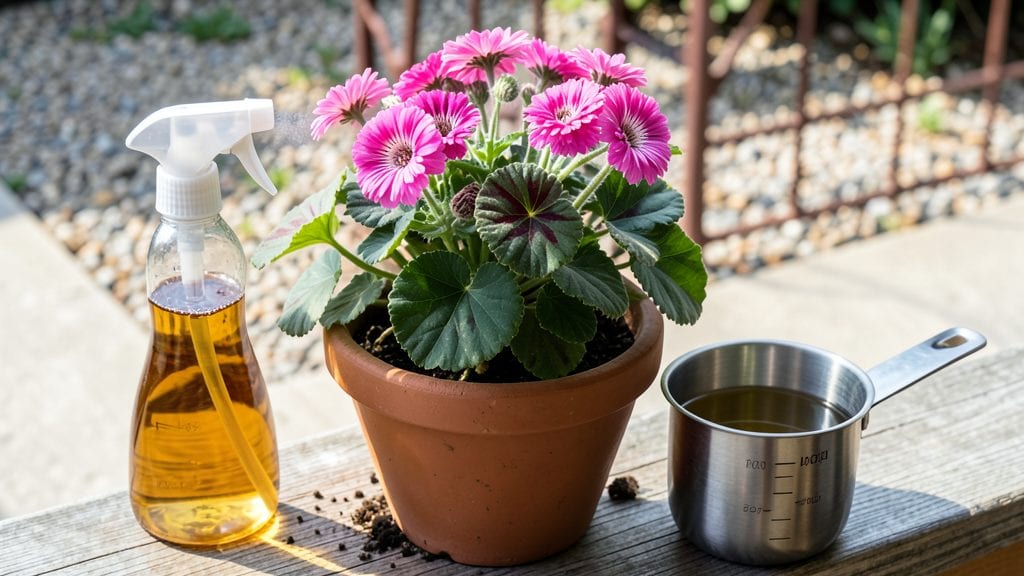
Using peroxide on plants requires diluting hydrogen peroxide to 3% strength with water—typically a 1:1 ratio for general use—to prevent burning foliage while boosting oxygen levels in soil and combating fungal pathogens. Always test on a small area first and avoid overuse, as excess can harm roots.
Hydrogen peroxide acts as a natural sanitizer by releasing oxygen when applied to soil or foliage, which helps suffocate fungal spores and bacteria. 💫 This makes it particularly effective for treating root rot or sterilizing propagation cuttings, but the key is moderation—too much can strip soil of beneficial microbes or bleach leaves.
For example, I’ve used a diluted solution to revive overwatered pothos by improving aeration in the root zone, but always monitor plants for stress signs like yellowing.
Not all plants respond the same way—acid-loving varieties like azaleas or blueberries may react poorly, while succulents and herbs often tolerate it better. The dilution ratio can vary: a 1:4 mix (peroxide to water) is safer for sensitive houseplants, while hydroponic systems might use a 1:10 solution to prevent buildup.
Always let the solution dry completely before watering again.
💡 In This Article
- How Hydrogen Peroxide Works as a Plant Disinfectant
- Best Peroxide Dilution Ratios for Different Plant Types
How hydrogen peroxide works as a plant disinfectant
Here's what actually happens when you apply hydrogen peroxide to plants: the molecule (H₂O₂) decomposes into water (H₂O) and oxygen (O₂) through a process called catalysis. This oxygen release creates a hyper-oxygenated environment that suffocates anaerobic pathogens like fungal spores and bacteria by disrupting their cellular respiration.
The oxygen bubbles also physically dislodge microbes from plant surfaces, similar to how carbonation cleans fruits in a sink.
The antimicrobial power comes from hydrogen peroxide's ability to oxidize cellular components in pathogens. At a 3% concentration, it generates reactive oxygen species that break down microbial cell walls, killing fungi like Phytophthora (root rot) and bacteria such as Pseudomonas.
However, this same mechanism can damage plant tissues if overused—concentrations above 1% can bleach leaves by stripping chlorophyll. 🌱 The oxygen release also improves soil aeration, which is why gardeners use it to revive compacted root zones.
This makes peroxide particularly effective for cutting propagation—the oxygen helps prevent rot by keeping wounds dry while the antimicrobial action wards off infections.
Studies show that dipping cuttings in a 1:10 dilution (peroxide to water) for 10 minutes can increase rooting success by up to 30% compared to water alone. The difference? Peroxide creates an oxygen-rich environment that promotes callus formation while suppressing pathogens that would otherwise colonize fresh cuts.
Compared to alternatives, peroxide offers distinct advantages. Bleach (sodium hypochlorite) kills more broadly but leaves toxic chlorine residues that can harm plants long-term. Vinegar (acetic acid) is milder but ineffective against many fungi due to its lower pH range (2.5-3.5 vs. peroxide's 3.5-4.5).
Peroxide's neutral decomposition into water and oxygen makes it the safest option when used correctly—though it requires precise dilution to avoid oxidative stress.
What most people don't realize is that peroxide's effectiveness depends on contact time and concentration. A 1:1 dilution works for soil drenches but should never touch foliage directly—it can cause leaf burn within 15 minutes of exposure.
For fungal treatment, a 1:4 dilution applied as a foliar spray (with a 1-hour drying period before watering) is ideal. The key is balancing antimicrobial action with plant tolerance, which varies by species.
For example, succulents and herbs handle peroxide better than tropical plants because their thicker cuticles resist oxidation. Acid-loving plants like azaleas should avoid peroxide entirely—its slightly alkaline byproduct (pH 7.5-8.5) can disrupt soil chemistry over time.
Always test on a small leaf first, as some plants show sensitivity even at diluted concentrations.
The science behind this involves redox potential—peroxide's ability to accept electrons from pathogens while donating them to oxygen. This dual action makes it both a sanitizer and a soil aerator.
When used as a root soak for 30 minutes in a 1:10 dilution, it can revitalize waterlogged roots by replacing anaerobic conditions with oxygen-rich ones. 💫 The result? Healthier roots that resist rot and absorb nutrients more efficiently.