Watering
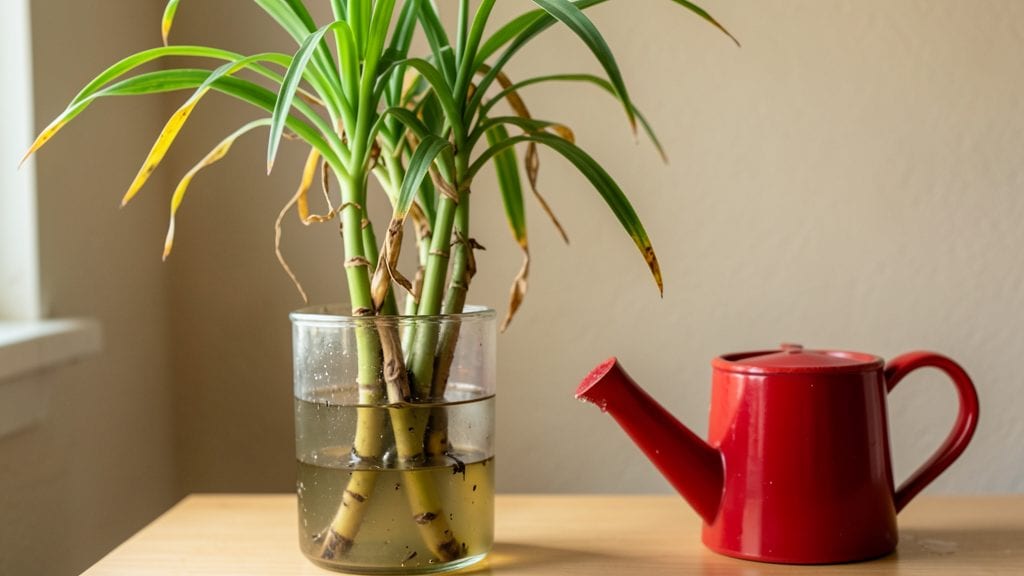
An overwatered bamboo plant can go from lush to limp in days—but here’s how to bring it back to life. 🌱 I’ve nursed more soggy bamboo than I’d like to admit, and the secret isn’t just cutting back water—it’s fixing the root of the problem (literally).
The first step is stopping the damage before it spreads, and I’ll show you exactly how.
Yellowing leaves and mushy stems are your first warning signs, but the real trouble starts underground where rot sets in. Most people panic and water even less, which can shock the plant further.
Instead, we’ll focus on drainage, airflow, and a gradual return to normal care—no guesswork involved. Within 2-3 weeks, you’ll see new growth if we act fast.
The payoff is a bamboo that thrives instead of struggles: glossy green canes, sturdy stems, and that satisfying snap when you test the soil moisture.
We’ll also cover how to adjust your watering routine so this never happens again—because once you’ve seen bamboo recover, you’ll never want to risk it again.
Works for both indoor pots and outdoor clumps, whether you’re dealing with running bamboo or dwarf varieties. Let’s turn that sad plant into a showstopper—starting today.
Root Causes Of Waterlogged Bamboo
When your bamboo plant starts wilting despite a damp soil surface, the issue likely stems from overzealous watering—a common mistake even experienced gardeners make. Unlike drought-tolerant succulents, bamboo thrives in consistently moist (not soggy) conditions, but too much H2O disrupts its delicate root system.
Let’s break down the science behind why this happens and how to spot the warning signs.
Bamboo roots need oxygen to respire, but waterlogged soil suffocates them by displacing air in the pore spaces. If your pot lacks drainage holes or the soil is compacted clay or peat-heavy, excess water pools at the bottom instead of draining away.
Over time, this creates an anaerobic environment where harmful bacteria and fungi—like Pythium or Phytophthora—thrive, rotting roots and blocking nutrient uptake.
💡 Pro Tip: Test your soil’s drainage by filling a pot with water, then timing how long it takes to empty. If it takes more than 30 minutes, your mix is too dense. Amend with perlite, coarse sand, or orchid bark (20-30% of the soil volume) to improve aeration.
Bamboo’s water needs vary by species, season, and climate. For example:
| Factor | Ideal Watering Schedule | Overwatering Risk |
|---|---|---|
| Clumping Bamboo (e.g., Fargesia) | Water when top 1–2 inches of soil feel dry (every 5–7 days in summer, every 10–14 days in winter). | Frequent light waterings keep soil perpetually damp, mimicking a swamp. |
| Running Bamboo (e.g., Phyllostachys) | Needs more moisture (top 3 inches dry), but still drains quickly in sandy soil. | Automatic sprinklers or neglecting to adjust for rainy seasons leads to root rot. |
| Container-Grown Bamboo | Evaporates faster than in-ground; check soil daily in hot weather. | Small pots dry out unevenly, so roots may drown in one corner while others starve. |
Use your finger as a moisture meter: Insert it 1–2 inches deep. If it comes out sticky or smells sour, you’ve overwatered.
Bamboo’s natural habitats—tropical forests—have high humidity and warm temperatures, but this doesn’t mean it tolerates cool, damp conditions like a fern. When temperatures drop below 50°F (10°C), bamboo’s metabolic rate slows, and roots absorb water more slowly than in summer.
If you keep watering on the same schedule:
- 🔥 Root asphyxiation occurs faster in cool weather.
- 🍄 Fungal growth accelerates (e.g., Rhizoctonia), turning leaves yellow.
- ❄️ Cold soil (<40°F/4°C) can lock out oxygen, even with drainage holes.
💡 Pro Tip: In winter, reduce watering by half and move potted bamboo to a bright, unheated porch (60–70°F/15–21°C) to mimic its native conditions.
Yellowing leaves or drooping canoes are not always signs of underwatering—sometimes they’re drowning symptoms misread as thirst. Here’s how to tell the difference:
- 🟢 Underwatered: Leaves curl inward, soil pulls away from pot edges, and roots are dry and brittle.
- 🟡 Overwatered: Leaves yellow uniformly, soil stays clay-like when squeezed, and roots smell rotten (like wet socks).
- 🔴 Root Rot: Stems wilt despite wet soil, and the base of the plant feels mushy when pressed.
If you’re unsure, lift the pot—a soggy, heavy plant is a red flag. Never water again until the soil dries to the touch.
Revive Your Draining Bamboo Now
Overwatered bamboo can feel like a death sentence for your green thumb—but don’t panic! With the right steps, you can nurse your plant back to health and prevent future soggy soil disasters.
Below, we’ve mapped out practical fixes based on the most common causes of overwatering, along with prevention tips to keep your bamboo thriving.
Cause: Too much moisture in dense soil suffocates roots, turning leaves yellow and mushy.
How to Fix It:
- 🌱 Lift and Loosen the Roots Gently remove the plant from its pot or ground and inspect the roots. If they’re dark, slimy, or smell foul, trim away the damaged parts with sterilized scissors (🔪). Healthy roots are firm and white or light tan.
- 🧹 Refresh the Soil Rinse the roots under lukewarm water to remove excess salts or debris. Shake off excess moisture, then repot in a well-draining mix (50% potting soil + 50% perlite, sand, or orchid bark).
- ⏰ Let It Dry Out Avoid watering for 3–5 days to let the roots recover. After that, water only when the top 1–2 inches of soil feel dry (stick your finger in to test!).
💡 Prevention Tip:
- Upgrade your pot! Bamboo hates sitting in water. Choose a container with drainage holes and a terracotta or ceramic material (they wick away moisture better than plastic).
Cause: Chronic overwatering leads to fungal/bacterial rot, causing brown, brittle leaves and a wobbly stem.
How to Fix It:
- 🧴 Prune the Damage Snip off dead or dying leaves at the base (don’t leave stubs!). For severely affected stems, cut them back to healthy green tissue—new growth will sprout from the nodes.
- 🌿 Repot in Fungicide Soil Mix 1 part hydrogen peroxide (3%) into your repotting soil (or use a fungicide treatment) to kill pathogens. Add orchid bark or coconut coir for airflow.
- 💧 Adjust Your Watering Rhythm
- For potted bamboo: Water once every 7–10 days (less in winter).
- For ground-planted bamboo: Dig a drainage trench around the base to redirect excess water.
- Pro tip: Use a moisture meter to avoid guesswork—aim for 40–60% moisture in the soil.
🔥 Emergency Move: If roots are completely mushy, try rooting hormone on healthy cuttings. Plant them in sand or perlite to encourage regrowth before repotting.
Cause: No drainage holes + heavy clay soil = a drowning bamboo.
How to Fix It:
- 🏗️ Improve Drainage Fast
- Potted plants: Drill extra drainage holes in the bottom and sides of the pot (if safe).
- Ground plants: Amend the soil with compost + coarse sand to break up compaction. Add a 1-inch layer of gravel at the base of the planting hole.
- 🚿 Bottom-Watering Hack Place the pot in a tray of water for 10–15 minutes, then let it drain completely. This prevents over-saturating the topsoil while hydrating roots evenly.
- ☀️ Boost Airflow Move your bamboo to a bright, indirect spot (like an east or north window). Avoid humid bathrooms or kitchens—fan it lightly if needed.
🌡️ Temperature Check: Bamboo prefers 65–85°F (18–29°C). Cold, damp soil slows drainage—keep it in a warmer room if your home runs chilly.
- 📅 Watering Schedule: Stick to a biweekly check—never on a set day. Adjust for humidity/climate. - 💧 The "Finger Test": Always check soil moisture before watering.
If it’s damp 1 inch down, wait. - 🌿 Mulch Smartly: Use straw or wood chips (not plastic) to retain just enough moisture—no soggy mats! - 🌧️ Rainy Days? Move potted bamboo under cover or elevate pots on saucers to prevent pooling.
🎯 Quick Recap:
| Problem | Fix | Prevent |
|---|---|---|
| Compacted soil | Loosen roots, repot, dry out | Use well-draining pots |
| Root rot | Trim damage, fungicide soil | Water only when dry |
| No drainage | Add holes/gravel, bottom-water | Amend soil with perlite/sand |
With these steps, your bamboo should bounce back in 2–4 weeks. Stay consistent, and soon you’ll have lush, happy stems instead of a sad, soggy mess! 🌿✨
Frequently asked questions
Why does my bamboo plant’s soil stay wet even after watering?
Bamboo thrives in moist—not soggy—soil, but dense potting mixes or pots without drainage holes trap excess water. Test drainage by filling the pot with water and timing how long it takes to empty. If it takes over 30 minutes, your mix is too compacted. Amend with perlite or coarse sand (20-30% of the soil) to improve airflow and prevent waterlogging.
Can I save bamboo with completely mushy roots?
Yes, but act fast! Trim away all black, slimy roots with sterilized scissors, then rinse the remaining roots in lukewarm water. Repot in a well-draining mix with hydrogen peroxide (3%) to kill fungi. Avoid watering for 3-5 days to let roots recover. If damage is severe, propagate healthy cuttings in sand or perlite with rooting hormone.
How often should I water bamboo in winter?
Reduce watering by half in winter—bamboo’s growth slows below 50°F (10°C), and cold soil drains poorly. Check soil moisture weekly: water only when the top 1-2 inches feel dry. Move potted bamboo to a bright, unheated porch (60-70°F/15-21°C) to mimic its native tropical climate.
What’s the difference between overwatered and underwatered bamboo?
Overwatered bamboo has uniformly yellow leaves, mushy stems, and soil that stays clay-like when squeezed. Underwatered bamboo shows inward-curled leaves, dry soil pulling away from pot edges, and brittle roots. Lift the pot: if it’s heavy and soggy, you’ve overwatered. If it’s light and crumbly, it’s thirsty.
Can I use a moisture meter for bamboo?
Aim for 40-60% moisture in the soil—bamboo hates extremes. Insert the meter 1-2 inches deep; readings above 70% mean it’s too wet. For potted bamboo, check daily in hot weather. In winter, reduce frequency to once a week since evaporation slows.