Companion Plants
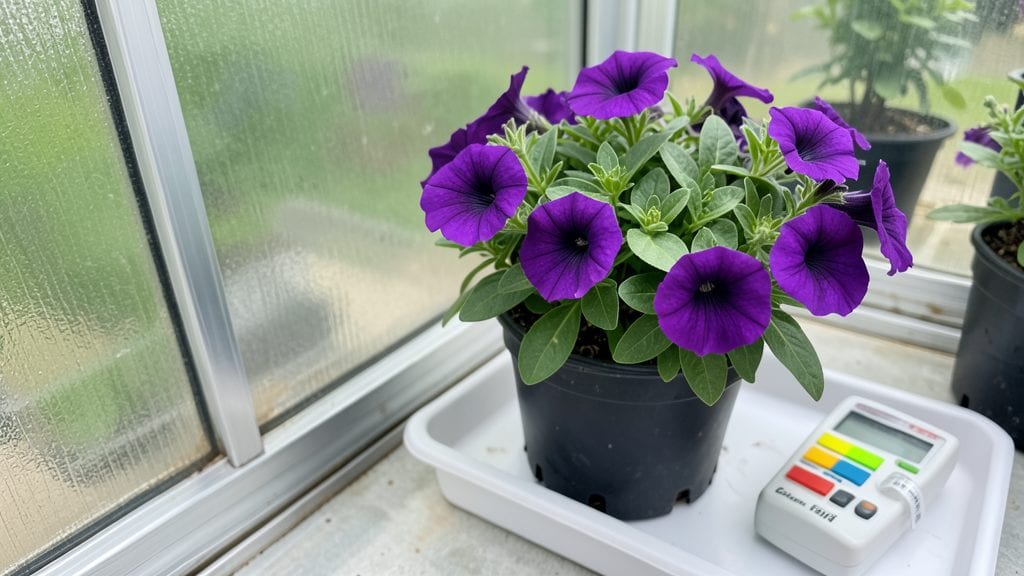
Ensuring greenhouse plants safety for pets means choosing non-toxic species like spider plants, Boston ferns, or African violets, while steering clear of dangerous plants such as lilies, oleander, or sago palms, which can trigger serious health issues if chewed or ingested.
Creating a pet-friendly greenhouse starts with understanding how plants interact with animals.
Many common greenhouse favorites contain compounds like oxalates or alkaloids that can irritate mouths, cause vomiting, or even lead to organ damage in pets. 🐾 For example, lilies—often prized for their blooms—contain toxins that attack a cat's kidneys within hours, while sago palms release cyanide-like substances harmful to dogs.
The key is researching each plant's toxicity profile before bringing it home, using trusted sources like the ASPCA's toxic plant database.
Beyond avoiding dangerous species, pet owners can also create safe plant mixes by focusing on hardy, non-toxic varieties. Spider plants thrive in indirect light and are nearly indestructible, while Boston ferns add lush greenery without risk. African violets offer colorful blooms and are equally safe.
These alternatives not only keep pets healthy but also maintain the greenhouse's aesthetic appeal. Always supervise pets around new plants, even non-toxic ones, as curiosity can lead to accidental nibbling.
💡 In This Article
- How Toxic Greenhouse Plants Affect Pets
- Safe Greenhouse Plant Alternatives for Pet Owners
How toxic greenhouse plants affect pets
Toxic greenhouse plants often contain chemical compounds that trigger adverse reactions in pets. For instance, philodendrons produce calcium oxalate crystals that cause sharp, needle-like irritations in the mouth and throat when chewed.
These crystals puncture tissue, leading to immediate drooling, vomiting, and swelling within 15-30 minutes of ingestion. The severity depends on the plant part consumed—leaves typically contain higher concentrations than stems.
Oleander, another dangerous greenhouse plant, contains cardiac glycosides like oleandrin, which disrupts a pet's heart rhythm by interfering with sodium-potassium pumps in cardiac cells. Even small amounts (0.005% of body weight) can cause fatal arrhythmias.
The plant's milky sap is particularly hazardous, as it can be absorbed through skin contact or inhaled when dried leaves are disturbed. 🌿 Unlike oral ingestion, inhalation risks are often overlooked but can trigger respiratory distress in birds and small mammals.
Symptoms vary dramatically between species. Cats exposed to lilies may show kidney failure within 24-72 hours, while dogs ingesting sago palms typically experience liver damage marked by yellowing gums and lethargy.
Birds, with their sensitive respiratory systems, often react to dust from toxic plants, leading to nasal discharge and labored breathing. The key difference lies in metabolism—cats lack certain liver enzymes to process lily toxins, making them uniquely vulnerable.
Ingestion routes matter critically. Oral consumption is the most common but not the only concern. Some plants like pothos release volatile organic compounds (VOCs) that irritate pets' airways when greenhouse humidity rises above 60%.
Skin contact with sap from plants like dieffenbachia can cause painful blisters in pets with sensitive skin, while accidental ingestion of contaminated soil may introduce harmful bacteria alongside plant toxins.
Diagnosing plant poisoning requires understanding these mechanisms. Veterinarians often look for patterns like oral irritation (from oxalates) or cardiac symptoms (from glycosides) to narrow down the culprit. Keeping a greenhouse plant inventory with toxicity ratings from ASPCA or Pet Poison Helpline databases helps owners act quickly.
For example, a spider plant's safety rating is Level 0 (non-toxic), while a peace lily scores Level 4 (highly toxic)—this distinction can mean the difference between a minor upset and a life-threatening emergency.
What most pet owners miss is how environmental factors amplify risks. High humidity in greenhouses can increase toxin absorption through skin, while warm temperatures accelerate plant metabolism, boosting toxin production.
Always monitor your pet's behavior around new plants, even non-toxic ones, as curiosity often leads to accidental exposure before owners realize the danger. 🐶