Pruning
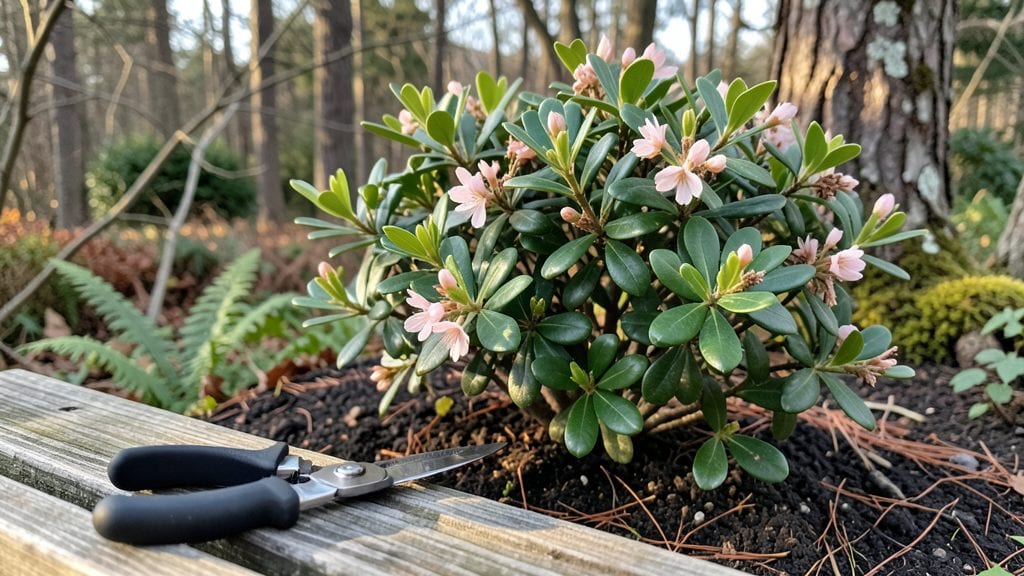
Pruning daphne plants transforms those stubborn, overgrown shrubs into fragrant, blooming powerhouses year after year. 🌿 I’ve pruned mine for five seasons, and the difference between a neglected mess and a showstopper comes down to timing, technique, and a little patience.
The key isn’t just cutting back—it’s understanding when to prune to trigger fresh growth and more flowers.
Most gardeners wait until spring, but daphne responds best to a two-step approach: light pruning after blooms fade in late spring, followed by a harder cutback in late winter when the plant is dormant.
You’ll need sharp bypass pruners, gloves (those branches are thorny!), and a clear day to avoid sticky sap. The goal is to shape the shrub while keeping a few old stems—these are where next year’s flowers form.
After pruning, your daphne will reward you with new growth by early summer and a second wave of blooms in fall. The secret? Never remove more than one-third of the plant at once, and always cut just above a leaf bud.
Disposed branches? Toss them in the trash—they don’t compost well. With this method, even mature daphnes stay compact, fragrant, and full of life.
Works for all daphne varieties, from Daphne odora to Daphne mezereum, and adapts to containers or garden beds. Here’s how to do it right the first time—and keep those blooms coming for decades.
📚 In This Guide
- What you need
- Instructions
- Tips and common mistakes
- Wrapping up and next steps
What you need
- ● Bypass pruners: Sharp, clean pruners (for cutting stems up to ½ inch thick). Quantity: 1 pair (sterilize with rubbing alcohol before/after use).
- ● Hand pruners (felco or similar): For smaller stems or detailed trimming. Quantity: 1 pair.
- ● Garden gloves: Thick, cut-resistant gloves (protects from thorns and sap). Quantity: 1 pair.
- ● Disinfectant (70% isopropyl alcohol or hydrogen peroxide): To sterilize tools between cuts (prevents disease spread).
- ○ Pruning saw (optional): For thick, woody stems (rare in Daphne but useful for mature plants). Quantity: 1.
- ● Sharpie or permanent marker: To label cuts if propagating (e.g., marking node locations).
- ● Bucket or bag: For collecting pruned branches (compost or dispose of). Size: Medium (1–2 gallons).
- ● Rooting hormone: Speeds up propagation if you’re taking cuttings (gel or powder form).
- ● Plastic wrap or humidity dome: Keeps cuttings moist during propagation.
- ● Loppers: For larger Daphne shrubs (if stems exceed 1 inch in diameter).
- ● Pruning sealant: Protects cuts from pests/disease (e.g., tree wound paint).
- ● Notebook & pen: To track pruning dates and plant responses.
Instructions for pruning daphne plants to encourage year-round blooms
Here’s how I keep my daphne blooming reliably—timing and technique matter more than you’d think.
✂️ Step 1: Prune Immediately After Spring Blooming
Daphne blooms on old wood, so the key is pruning right after flowers fade—never before. Use sharp, clean bypass pruners to cut back just above a leaf bud or lateral branch at a 45-degree angle. This encourages new growth while preserving next year’s flower buds.
I make my first cuts in late May or early June, depending on when blooms finish. If you prune too early, you risk removing next year’s flower buds. If you wait too long, the plant wastes energy on seed production instead of foliage.
✂️ Step 2: Lightly Shape in Mid-Summer for Airflow
In July or August, give your daphne a light shaping trim to remove any dead, crossing, or overcrowded branches. Focus on thinning out rather than heavy cutting—daphne responds poorly to aggressive pruning. Aim to open up the center of the plant for better airflow, which reduces fungal risks.
Look for branches growing inward or upward; these compete with stronger stems. Snip them back to a leaf node where new growth can emerge. Avoid cutting more than one-third of the plant’s height in a single session—this stresses the plant unnecessarily.
✂️ Step 3: Minimal Winter Pruning to Prepare for Spring
Skip heavy pruning in winter—daphne needs its dormant structure intact to support spring blooms. Instead, do a light cleanup in late February or early March before new growth starts. Remove only dead, diseased, or frost-damaged branches, cutting back to healthy wood.
If your daphne looks overly leggy, you can lightly trim back some of the oldest stems by one-third, but only if the plant has multiple younger stems to take over. Never prune more than 10-15% of the plant’s total growth in winter—this is when it’s most vulnerable.
🌿 Step 4: Encourage New Growth with Post-Pruning Care
After pruning, water deeply to help the plant recover, especially if you’ve cut back older stems. Apply a balanced, slow-release fertilizer (10-10-10) in early spring to support new growth. Daphne prefers partial shade but tolerates morning sun—keep it in a spot with dappled light after pruning.
Watch for new shoots emerging from the base or along stems—these are your signal that pruning worked. If you see no new growth by late June, your cuts may have been too severe. Adjust next year’s approach by pruning less aggressively and focusing on shaping rather than rejuvenation.
Tips & tricks for perfect daphne plant pruning
Timing and precision are everything when pruning daphne—these key strategies will help you avoid common mistakes and keep your plant blooming beautifully.
Timing is Everything: The window for Step 1 pruning in late May or early June is critical because daphne blooms on old wood. Mark your calendar based on when your flowers finish fading—this is your cue to prune. If you miss this window, you risk cutting off next year’s buds or letting the plant waste energy on seed production instead of foliage. I always set a reminder for when my daphne typically blooms, so I never miss the perfect moment.
The Technique That Changed Everything: When making your 45-degree angle cuts in Step 1, aim just above a leaf bud or lateral branch. This small detail makes all the difference—it encourages new growth while preserving the structure needed for next year’s flowers. I learned this the hard way after seeing my daphne produce fewer blooms one season. The angle helps water run off properly, reducing rot risks too.
Pruning Strategy for Overgrown Plants: If your daphne has become overly leggy, focus on removing the oldest stems first during winter pruning (Step 3). Never cut more than one-third of any stem in a single session, and always leave multiple younger stems to take over. I’ve seen gardeners make the mistake of aggressive winter pruning, which can actually set back spring blooming. Think of it as a haircut—you don’t shave your head in one go!
Post-Pruning Care Secrets: After pruning, the deep watering and balanced fertilizer in Step 4 are non-negotiable, especially if you’ve removed older stems. I’ve found that daphne responds particularly well to a slow-release 10-10-10 fertilizer in early spring—it gives the plant consistent nutrients without overwhelming it. Also, keep your pruned plant in partial shade with dappled light to prevent stress from too much direct sunlight.
Pro Tips for Daphne Plant Pruning
- Timing and precision are everything when pruning daphne—these key strategies will help you avoid common mistakes and keep your plant blooming beautifully.
- Timing is Everything: The window for Step 1 pruning in late May or early June is critical because daphne blooms on old wood.
- The Technique That Changed Everything: When making your 45-degree angle cuts in Step 1, aim just above a leaf bud or lateral branch.
Frequently asked questions
Got questions about keeping your Daphne plant thriving with the right pruning? You’re not alone! Here are some of the most common queries—and straightforward answers—to help you master the art of trimming for stunning, year-round blooms.
When is the best time to prune a Daphne plant?
Prune your Daphne right after flowering (late spring to early summer) to encourage new growth and next year’s blooms. Avoid heavy pruning in fall or winter, as it can stress the plant. Light shaping can be done anytime, but major cuts should wait until post-bloom season.
How much can I trim back my Daphne without harming it?
Daphne plants are resilient, but never remove more than one-third of the plant’s foliage at once. For mature plants, aim for a 25-30% reduction of leggy or overgrown stems. Over-pruning can stunt flowering or even kill the plant—so always err on the side of caution!
Why isn’t my Daphne blooming after pruning?
If your Daphne skips blooms, it might be due to pruning at the wrong time (e.g., cutting back in late summer/fall) or over-trimming. Ensure you’re pruning post-flowering and avoid heavy cuts. Also, check for nutrient deficiencies or poor drainage, which can stress the plant.
Can I propagate Daphne from pruned cuttings?
Take 4-6 inch semi-hardwood cuttings in early summer, dip them in rooting hormone, and plant them in a mix of perlite and peat. Keep the soil moist and place in partial shade until roots form (3-6 weeks). Daphne propagates well this way—just be patient!
What should I do if my Daphne looks sad after pruning?
If your Daphne appears stressed (yellowing leaves, wilting), it might need time to recover. Water lightly, avoid fertilizing for 4-6 weeks, and ensure it’s in well-draining soil with partial shade. Most Daphne plants bounce back—just give them a little TLC!
Wrapping up and next steps
Pruning your daphne plant doesn’t have to be intimidating—with the right timing, tools, and technique, you’ll unlock a year-round display of fragrant blooms! Remember, patience and precision are key: trim after flowering, avoid over-pruning, and always sterilize your tools to keep your plant thriving.
Whether you’re a seasoned gardener or just starting out, these steps will help you master the art of daphne care.
Ready to give your daphne the love it deserves? Grab your pruners and get trimming! 🌿✂️ For extra confidence, check out our FAQs or explore more pruning tips to keep your garden flourishing.