Plants
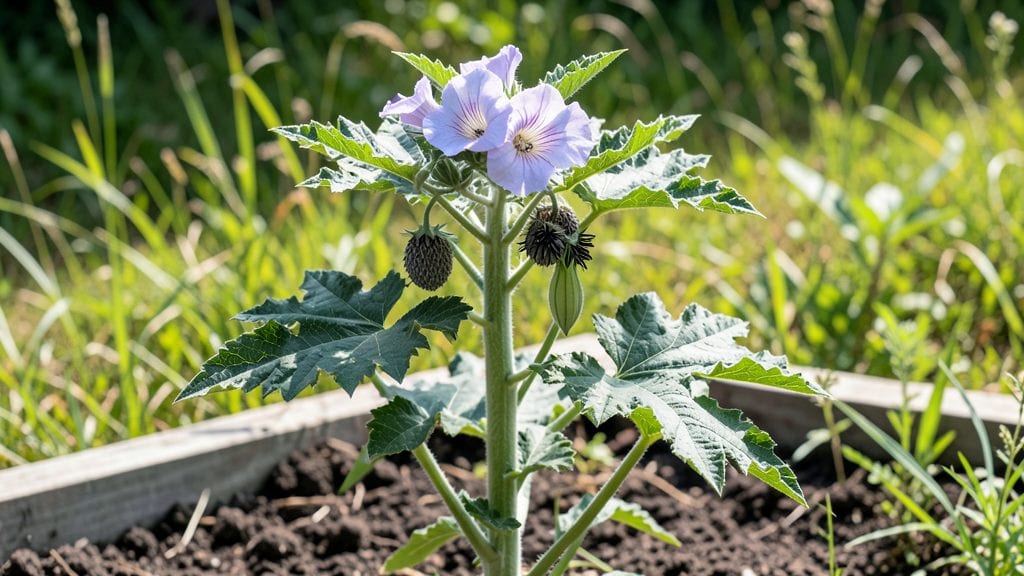
Using DAP for plants delivers fast-acting phosphorus and nitrogen to strengthen roots and promote vibrant blooms. Apply 1-2 tablespoons per gallon of water monthly during active growth, but always dilute thoroughly and avoid oversaturating soil to prevent damage.
DAP, or diammonium phosphate, is a powerhouse fertilizer because its 18-46-0 ratio delivers phosphorus in high concentrations—critical for energy transfer in plants and flower production. 🌱 The nitrogen component supports leafy growth, but the real magic happens when you time applications with your plant's life cycle.
For instance, tomatoes and roses thrive when you start DAP treatments during early flowering, while leafy greens benefit more from consistent, lower doses throughout their growth phase.
What sets DAP apart is its dual-action formula: it not only feeds plants but also slightly acidifies soil, creating ideal conditions for nutrient uptake. However, this is where caution comes in—overuse can lead to salt buildup, which disrupts water absorption.
I always recommend testing soil pH before application and flushing the root zone with plain water every 3-4 months to maintain balance.
💡 In This Article
- How DAP Fertilizer Works in Plant Growth Cycles
- Safe Application Tips for DAP in Gardens and Potted Plants
How DAP fertilizer works in plant growth cycles
DAP's 18-46-0 ratio isn't just numbers—it's a precise nutrient cocktail designed to fuel two critical plant processes. The 46% phosphorus (P₂O₅) acts like a power adapter for your plants, converting solar energy into chemical energy through photosynthesis.
This energy is then redirected to root development and flower formation, which is why DAP becomes particularly valuable during the blooming phase when plants demand more phosphorus than nitrogen.
The 18% nitrogen (as ammonium) supports leafy growth but works best when balanced with phosphorus to prevent lush foliage at the expense of flowers.
The magic happens at the cellular level. Phosphorus triggers the production of ATP (adenosine triphosphate), the energy currency of cells, which is why you'll see rapid root elongation and stronger stems when DAP is applied correctly.
During germination, phosphorus helps break down starches in seeds into sugars, giving seedlings a head start.
In contrast, during flowering, the same phosphorus boosts the production of anthocyanins (the pigments that give flowers their vibrant colors) and strengthens cell walls in petals, making blooms more resilient. 🌸 The ammonium nitrogen in DAP is quickly absorbed by plants but can volatilize if not applied to moist soil, which is why timing matters—early morning applications minimize evaporation losses.
What most gardeners overlook is how DAP's chemical composition affects soil chemistry. The diammonium phosphate dissociates in water, releasing not just nitrogen and phosphorus but also sulfur and trace amounts of calcium, magnesium, and iron—micronutrients that act as co-factors in enzymatic reactions.
For example, iron helps transport phosphorus within plant tissues, while sulfur contributes to protein synthesis. This is why DAP isn't just a phosphorus booster—it's a multi-nutrient support system that works synergistically.
However, this also means overuse can lead to salt imbalances, where excess ammonium ions disrupt the soil's cation exchange capacity, making other nutrients like potassium less available.
Timing applications to match a plant's growth cycle is where DAP shines—or fails. For vegetative growth stages (like leafy greens or early tomato plants), a 1 tablespoon per gallon solution applied every 4-6 weeks provides enough nitrogen without overwhelming phosphorus needs.
But when you see the first flower buds appear, switch to a 2 tablespoons per gallon solution to give blooming plants the phosphorus push they need.
The key is monitoring plant responses: if leaves darken or curl, you're likely overdoing it with nitrogen; if buds drop off or flowers stay small, phosphorus is the limiting factor.
Consider how DAP interacts with different plant families as another layer of complexity. Legumes (like beans or peas) have symbiotic bacteria that fix nitrogen, so they need less DAP nitrogen but benefit greatly from the phosphorus boost for pod development.
Meanwhile, fruit-bearing plants (tomatoes, peppers, berries) respond dramatically to phosphorus during fruit set, often doubling yield when DAP is applied at the right moment. The 18-46-0 ratio becomes a strategic advantage when you understand these plant-specific needs—it's not just about feeding roots but about orchestrating the entire growth cycle.
Here's a practical comparison to illustrate the difference: A marigold plant in full bloom will show visible wilting within 24 hours if deprived of phosphorus, while a basil plant in vegetative growth might just slow down but won't suffer the same dramatic effects.
This is why experienced growers adjust DAP applications based on both the plant's life stage and its botanical family. The fertilizer doesn't work in a vacuum—it's part of a larger ecosystem where soil pH, microbial activity, and even temperature play supporting roles. 🌿
For the most precise results, pair DAP with a simple soil test kit to check phosphorus levels before application. Most garden soils already contain phosphorus, but it's often locked in unavailable forms.
DAP's highly soluble nature makes its phosphorus immediately accessible, but this also means it can leach quickly in sandy soils or get tied up in clay soils. The solution?
Apply DAP to moist (not soggy) soil and water it in thoroughly to help it reach deeper root zones where most phosphorus uptake occurs. This two-step process ensures your plants get the full benefit without wasting fertilizer or risking runoff into groundwater.