
Landscaping
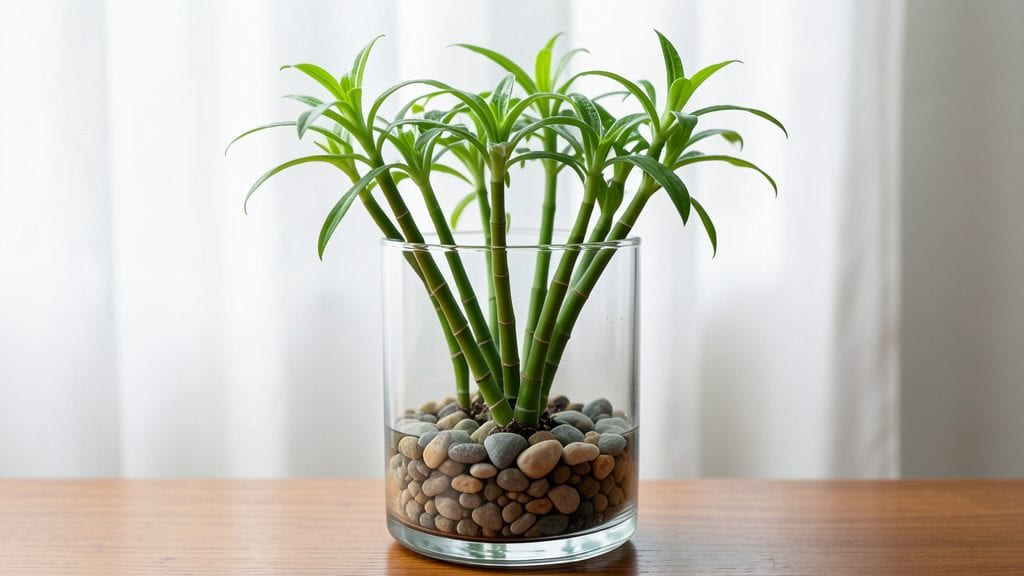
Fast-growing bamboo plant fences transform bare spaces into lush, living privacy screens in just a few seasons—no construction required. 🌱 I remember the first time I saw my neighbor’s bamboo grove swaying in the breeze, casting dappled shade over their patio.
That’s the magic of bamboo: it grows 2-3 feet per year, blocks nosy views, and softens harsh winds while looking like a natural extension of the landscape.
The key is choosing the right variety—clumping bamboos like Fargesia stay contained (no running rhizomes to invade your yard), while running types like Phyllostachys need barriers to control spread. Start with 4-6 foot spacing between canes for airflow, and plant in well-drained soil with plenty of organic matter.
Most varieties thrive in partial shade, making them perfect for northern exposures or tight urban lots.
By year two, you’ll have a 10-12 foot tall living fence that’s more attractive than any wooden panel. The rustling leaves muffle noise, the canes filter sunlight, and the green stems add movement to your garden.
Maintenance is minimal—just prune back dead canes in early spring and water deeply during droughts. It’s the fastest way to add privacy without breaking ground.
Works equally well for urban backyards, rural windbreaks, or even as a dramatic entryway border. Just remember: containment is everything. With the right prep, you’ll have a bamboo fence that grows with you—and keeps growing for decades.
📚 In This Guide
- What you need
- Instructions
- Tips and common mistakes
- Wrapping up and next steps
What you need
- ● Bamboo poles: 10–20 poles (depending on fence length; 6–10 ft tall, 1–2 inches in diameter). Tip: Choose live bamboo (e.g., Phyllostachys species) for a natural, self-sustaining fence!
- ● Concrete or gravel: 5–10 bags (for anchoring poles; quick-setting mix works best).
- ● Bamboo stakes or rebar: 10–15 stakes (18–24 inches long) for extra stability.
- ● Twine or zip ties: 1–2 rolls (for securing poles together).
- ● Post hole digger or auger: For digging holes (6–8 inches deep).
- ● Measuring tape & level: To ensure straight, even spacing.
- ● Hammer or mallet: For driving stakes into the ground.
- ● Pruners or shears: For trimming bamboo to your desired height.
- ● Gloves & safety goggles: Because DIY safety first! 🛡️
- ● Bamboo trellis or lattice: For added structure or climbing plants.
- ● Mulch or landscape fabric: To suppress weeds and retain moisture.
- ● Decorative stakes or paint: For a polished, custom look.
Step-by-step instructions for building a bamboo plant fence
Here's how to create a lush, private screen that grows in just months—not years.
🌱 Step 1: Choose and Prepare Your Bamboo Variety
Not all bamboo is created equal for fencing. Clumping bamboo like Fargesia robusta or Bambusa multiplex stays contained and won't spread aggressively. Avoid running bamboo varieties—they'll invade your yard like kudzu. Buy 1-year-old plants with established roots for fastest growth.
Soak the roots in lukewarm water for 2-3 hours before planting to encourage root expansion. This jumpstarts growth so you see new shoots within 2-3 weeks. Plant in early spring when soil temperatures hit 60°F—this gives roots time to establish before summer heat.
🪴 Step 2: Dig and Space Planting Holes
Dig holes 12-18 inches deep and 3 times wider than the root ball. Space plants 3-5 feet apart for a dense screen—closer spacing works for shorter varieties, while taller bamboo needs more room to mature. The 4 plants you're installing will create a 6-foot-wide screen if spaced 4 feet apart.
Loosen the soil at the bottom of each hole with your fingers—bamboo roots need room to spread horizontally. Add a 2-inch layer of compost to the bottom of each hole to boost early growth. This ensures your fence establishes quickly without waiting for soil microbes to break down organic matter.
☀️ Step 3: Plant and Water for Immediate Growth
Place each plant in its hole, ensuring the top of the root ball sits 1 inch below soil level. Backfill with native soil, tamping gently to remove air pockets. Water immediately with 2 gallons per plant to settle the soil and encourage root contact. You'll see new shoots emerge within 2-3 weeks if planted correctly.
Mulch around each plant with 2 inches of wood chips to retain moisture and suppress weeds. Keep the mulch 6 inches away from stems—piling it against the trunk can cause rot. Water 2-3 times weekly for the first 4 weeks, then taper to once weekly once established.
✂️ Step 4: Prune for Density and Control
After 6 months, trim back any leggy canes to encourage bushier growth. Cut 1/3 of the tallest canes at ground level—this signals the plant to produce more lateral branches. Wear gloves and long sleeves; bamboo shoots are sharp and can cause skin irritation.
Remove any dead or weak canes immediately—they sap energy from healthy growth. In late winter, cut back all canes to 12 inches tall to stimulate fresh spring growth. This pruning cycle keeps your fence looking full and controlled year after year.
⏰ Step 5: Maintain for Fast, Year-Round Privacy
Fertilize once in spring with 10-10-10 fertilizer (use 1/4 cup per plant) to fuel rapid growth. Water deeply after each fertilizer application to prevent root burn. Your fence should reach 8-10 feet tall within 2-3 years—much faster than traditional wood or vinyl screens.
Watch for bamboo borers or fungal spots on leaves—treat immediately with neem oil spray if you spot damage. With proper care, your bamboo fence will provide year-round privacy while requiring minimal effort after the first year.
Tips & tricks for perfect bamboo plant fence
A few key strategies will help your bamboo fence grow faster and stay healthy—here's what I've learned from years of trial and error.
Soaking Secret: The 2-3 hour root soak in lukewarm water is your growth accelerator. I use a bucket of water at about 80°F—warm enough to encourage root expansion but not hot enough to damage delicate roots. This jumpstarts growth so you'll see those first new shoots within 2-3 weeks instead of waiting months. Pro tip: Add a pinch of seaweed fertilizer to the soaking water for an extra boost!
Planting Depth Matters: When placing your plants, bury the root ball just 1 inch below soil level—not deeper. I've seen too many people plant too shallow, which causes instability, or too deep, which can suffocate roots. The 1-inch depth creates perfect conditions for strong root establishment while preventing rot. After planting, gently tap the soil around the base to eliminate air pockets—this ensures immediate root contact with moist soil.
Watering Wisdom: Those first 4 weeks are critical for root development, so stick to the 2-3 times weekly watering schedule. I use a rain gauge to measure exactly 2 gallons per plant each time—this prevents both underwatering and overwatering. For the first few waterings, let the water soak in completely before adding more. After 4 weeks, you can reduce to once weekly, but always water deeply to encourage deep root growth.
Pruning Payoff: The 6-month pruning schedule I mentioned isn't just about aesthetics—it's about forcing your bamboo to grow bushier and denser. When you cut back 1/3 of the tallest canes, you're signaling the plant to redirect its energy toward producing more lateral branches. This creates that lush, screen-like appearance much faster than letting it grow wild. And that late winter pruning back to 12 inches? It's like hitting the reset button for spring growth—you'll be amazed at how quickly new shoots appear!
Pro Tips for Bamboo Plant Fence
- A few key strategies will help your bamboo fence grow faster and stay healthy—here's what I've learned from years of trial and error.
- Soaking Secret: The 2-3 hour root soak in lukewarm water is your growth accelerator.
- Planting Depth Matters: When placing your plants, bury the root ball just 1 inch below soil level—not deeper.
Frequently asked questions
Got questions about bamboo plant fences?
You’re not alone! Here are answers to the most common concerns—from installation to upkeep—so you can confidently transform your space with this lush, fast-growing solution.
How long does it take for a bamboo fence to provide full privacy?
A bamboo fence typically reaches full height (6–12 feet) in 1–3 years, depending on the variety. Clumping bamboo grows slower (about 1–2 feet per year) but stays manageable, while running bamboo can spread faster—up to 3 feet annually. For quicker results, plant multiple poles close together or opt for pre-grown stakes.
Is bamboo invasive? Will it damage my property?
Only running bamboo (like Phyllostachys species) is invasive—it spreads aggressively via underground rhizomes. Clumping bamboo (e.g., Bambusa) stays contained in tight clusters. To prevent spread, install a rhizome barrier (e.g., HDPE plastic or metal) at least 2–3 feet deep around the planting area. Always check local regulations before planting!
What’s the cost comparison vs. traditional fences or hedges?
| Option | Initial Cost | Long-Term Savings |
|---|---|---|
| Bamboo fence | $1–$5 per pole (DIY) or $5–$15/sq. ft. (pro-installed) | Low maintenance; no replanting needed |
| Wood/vinyl fence | $10–$30/sq. ft. | Higher upkeep (painting, repairs) |
| Hedges (e.g., privet) | $2–$8 per plant | Requires pruning, fertilizing, and replanting |
Pro tip: Bamboo’s speed and durability often pay off within 3–5 years compared to slower-growing alternatives.
Can bamboo survive in cold climates?
Most bamboo thrives in USDA Zones 7–11, but cold-hardy varieties like Bambusa multiplex or Fargesia (hardy to Zone 5) can handle temperatures down to 10°F. In freezing areas, plant in well-draining soil, mulch heavily in winter, and choose clumping types to avoid frost heave damage.
How do I fix a bamboo fence that’s leaning or looking ragged?
For leaning poles, dig gently to loosen the roots, then stake them with bamboo stakes or rebar for 3–6 months. For uneven growth, prune selectively in late winter to encourage denser foliage. If poles split, trim damaged sections (but avoid cutting more than ⅓ of the plant). Pro tip: Fertilize with balanced 10-10-10 in spring to boost recovery.
Wrapping up and next steps
A bamboo plant fence isn’t just a trend—it’s a smart, sustainable way to transform your outdoor space with minimal effort! Whether you’re craving privacy, windbreaks, or natural beauty, fast-growing bamboo delivers year-round results with eco-friendly elegance. 🌿
Ready to take the next step? Start small—plant a section, monitor its growth, and soon, you’ll have the lush, living fence you’ve always wanted. Your dream backyard is just a few shoots away!