
Companion Plants
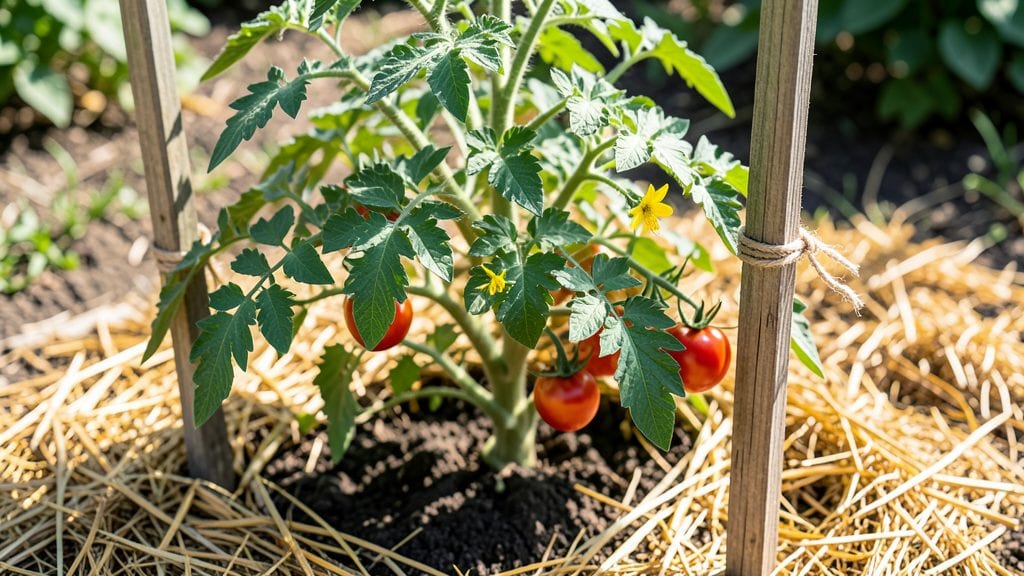
Growing Aussie tomato plants means lush vines and blooms that attract bees all season long. 🌿 These varieties are bred for Australia’s heat and dry spells, so they handle drought better than most while still producing sweet, flavorful fruit.
My first batch thrived in 90°F heat when other tomatoes wilted—proof they’re built tough.
The secret starts with soil: mix in compost for moisture retention, then mulch heavily to keep roots cool. Plant in full sun (6+ hours daily) and space vines 2–3 feet apart—they spread wide.
Water deeply 2–3 times weekly, but let the top inch dry between soakings to prevent blossom end rot. These plants reward consistency over fussing.
By midsummer, you’ll see clusters of yellow blooms that hum with pollinators, followed by glossy red tomatoes. The flavor? Richer than store-bought, with just the right balance of sweet and tangy. Even my black thumb couldn’t kill these—once established, they bounce back from heatwaves and occasional neglect.
Works across Australia’s zones—just adjust planting time for frost risk. In cooler areas, start seeds indoors 6–8 weeks before last frost; in tropical north, direct-sow after dry season. Here’s how to keep them thriving until harvest.
📚 In This Guide
- What you need
- Instructions
- Tips and common mistakes
- Wrapping up and next steps
What you need
- ● Aussie tomato seeds or seedlings: Choose varieties suited to your climate (e.g., ‘Early Girl,’ ‘Roma,’ or ‘Black Cherry’ for pollinator appeal). 1–4 plants per person (or 1 plant per 2 sq ft in containers).
- ● Well-draining potting mix or garden soil: 50 lbs (for in-ground) or 10–20 lbs (for 5-gallon pots). Mix in compost (20–30%) for nutrients.
- ○ Containers (optional but helpful): 5–10 gallon pots with drainage holes (if not planting in-ground). Terracotta or fabric grow bags work best.
- ● Stakes or cages: 6–8 ft wooden stakes or tomato cages (5–6 ft tall) to support vines.
- ● Fertilizer: Balanced organic fertilizer (10-10-10) or compost tea for a gentle boost.
- ● Mulch: Straw or wood chips (2–3 inches) to retain moisture and deter weeds.
- ● Hand trowel (for transplanting seedlings).
- ● Garden gloves (to protect your hands from thorns and soil).
- ● Watering can or hose with a gentle spray nozzle (tomatoes hate soggy roots!).
- ● Pruning shears (for trimming suckers and dead leaves).
- ○ pH testing kit (optional but helpful—aim for 6.0–6.8).
- ● Companion plants: Basil, marigolds, or borage to attract bees and deter pests.
- ● Bee water source: A shallow dish with pebbles and water nearby.
- ● Neem oil or insecticidal soap (organic pest control if needed).
Step-by-Step instructions for growing Aussie tomato varieties
Here’s how to cultivate these pollinator-friendly vines with bold flavor and disease resistance.
🌱 Step 1: Start Seeds Indoors for Strong Starts
Fill small seed trays with sterile seed-starting mix (not garden soil) and moisten it until damp but not soggy. Aussie varieties like ‘Black Krim’ or ‘Cherokee Purple’ germinate best at 75-85°F, so use a seedling heat mat if your home runs cooler. Plant seeds ¼ inch deep, spacing them 1 inch apart—they’ll need room to grow.
Cover the tray with plastic wrap to retain moisture, then place it in a bright spot with indirect light. Check daily for condensation—if the wrap fogs up, remove it for 10 minutes to prevent mold. Seedlings typically emerge in 5-10 days, but Aussie types can take longer if your home stays chilly.
☀️ Step 2: Provide Light and Airflow for Healthy Growth
Once sprouts appear, remove the plastic wrap and move seedlings to a south-facing window or under grow lights for 14-16 hours daily. Aussie tomatoes need strong light to prevent leggy growth—if stems stretch toward the window, your light source is too far. Keep seedlings 2-3 inches from the light and raise them as they grow.
Thin seedlings to the strongest one per cell when they develop 2 true leaves. Use small scissors to snip weak stems at soil level rather than pulling, which can damage roots. Place a small fan on low near the tray to encourage sturdy stems—this mimics wind and prevents floppy growth.
🪴 Step 3: Transplant to Larger Pots or Garden Beds
After 4-6 weeks, when seedlings have 4-6 leaves, transplant them to 5-gallon containers or garden beds with well-draining soil. Aussie varieties thrive in full sun (6+ hours daily) and rich soil—amend garden beds with compost before planting. Bury stems slightly deeper than they were in trays to strengthen roots.
Space plants 18-24 inches apart in rows 3 feet apart to allow airflow, which Aussie tomatoes love. Water deeply at transplanting to settle soil around roots, then let the top 1 inch dry before watering again. Overwatering now can lead to root rot, especially in heavy clay soils.
✂️ Step 4: Prune and Support for Pollinator-Friendly Blooms
Install cages or stakes at transplanting to support vines as they grow. Aussie varieties produce determinate (bush) or indeterminate (vining) types—prune indeterminate types to remove suckers (side shoots) to direct energy to fruit. Leave 2-3 main stems per plant for airflow and sunlight penetration.
Pinch off the first few flowers if your plant looks stressed—this encourages stronger foliage before fruiting. Aussie tomatoes attract pollinators like bees and butterflies, so avoid heavy pesticides. Instead, spray with neem oil if pests appear, and water in the morning to keep foliage dry and deter disease.
💧 Step 5: Water and Fertilize for Continuous Harvests
Water at the base (not leaves) to prevent fungal issues like blight, which Aussie varieties can be prone to in humid climates. Keep soil consistently moist but not waterlogged—stick your finger 1 inch deep to check moisture. Drip irrigation or soaker hoses work best to avoid wetting foliage.
Feed plants every 2-3 weeks with a balanced fertilizer (10-10-10) once flowers appear. Aussie tomatoes are heavy feeders, so side-dress with compost mid-season for a nutrient boost. Harvest when fruit is fully colored—Aussie types like ‘Brandywine’ develop deep reds, while ‘Black Krim’ turns rich purple-black.
Tips & tricks for thriving Aussie tomato plants
Here's what I've learned from growing these flavor-packed Aussie varieties—tricks that'll help you avoid common pitfalls and get the most out of your pollinator-friendly plants.
Heat Matters: Aussie tomato seeds like it warm, but don't overdo it. The ideal 75-85°F range for germination works best with a seedling heat mat—just don't let it exceed 85°F or you risk stunted growth. I've found that placing trays on top of refrigerators (with a towel barrier) creates perfect conditions without special equipment. That 10-minute daily ventilation when condensation forms is crucial too—it prevents mold while keeping humidity high enough for germination.
Lighting Strategy: Those 14-16 hours of daily light in Step 2 are non-negotiable for preventing leggy seedlings. If your window isn't sufficient, invest in affordable LED grow lights—position them 2-3 inches above seedlings and raise them as plants grow. I've seen seedlings stretch toward weak light sources, and once they get leggy, they never recover properly. The fan trick works wonders too—place it on low to create gentle airflow that strengthens stems without damaging tender seedlings.
Transplanting Wisdom: The 4-6 week window for transplanting is your best shot at success. Wait until you see 4-6 true leaves—this means the roots have developed enough to handle the transition. When burying stems deeper, make sure to leave the bottom 1-2 sets of leaves above soil level. This buried portion grows new roots that stabilize the plant. I've also found that transplanting on a cloudy day reduces stress on the seedlings compared to bright sunny afternoons.
Pollinator Support: Aussie tomatoes attract beneficial insects naturally, but you can boost their appeal. Plant companion flowers like marigolds or borage nearby—they'll attract even more pollinators. The neem oil recommendation is perfect for pests, but apply it in the evening so it doesn't harm bees that might be active during the day. Morning watering prevents fungal issues while keeping foliage dry for pollinators to visit freely.
Pro Tips for Aussie Tomato Plants
- Here's what I've learned from growing these flavor-packed Aussie varieties—tricks that'll help you avoid common pitfalls and get the most out of your pollinator-friendly plants.
- Heat Matters: Aussie tomato seeds like it warm, but don't overdo it.
- Lighting Strategy: Those 14-16 hours of daily light in Step 2 are non-negotiable for preventing leggy seedlings.
Frequently asked questions
Got questions about growing aussie tomato plants? You’re not alone! Here are some of the most common queries—and their answers—to help you cultivate thriving vines with ease.
When is the best time to plant aussie tomato seeds or seedlings?
Plant aussie tomato seeds indoors 6–8 weeks before your last frost date. Transplant seedlings outdoors after soil temperatures hit 55°F (13°C) and nighttime temps stay above 50°F (10°C). Avoid early spring planting—they’re frost-sensitive! For warm climates, direct-sow seeds in spring after frost risk passes.
How long does it take for aussie tomatoes to produce fruit?
From seed to harvest, aussie tomatoes typically take 70–90 days, depending on variety and growing conditions. Seedlings may fruit in 50–60 days if given warmth, full sun, and consistent care. Patience pays off—early blooms might drop, but steady growth leads to juicy rewards!
Why aren’t my aussie tomato flowers turning into fruit?
If blooms appear but no tomatoes form, check for these issues:
- Lack of pollinators: Aussie tomatoes rely on bees! Hand-pollinate with a small brush if bees are scarce.
- Temperature stress: Temps below 55°F (13°C) or above 90°F (32°C) can cause “blossom drop.” Use shade cloth in heatwaves.
- Over-fertilizing with nitrogen: Too much greenery = fewer fruits. Switch to a low-N, high-P fertilizer (like 5-10-10) to encourage flowering.
Can I grow aussie tomatoes in containers? What’s the best setup?
Aussie tomatoes thrive in containers 5+ gallons deep with drainage holes. Use a lightweight potting mix (add perlite for aeration) and a tomato cage or trellis to support vines. Place pots in full sun (6+ hours daily) and water consistently—containers dry out faster than garden beds.
Are aussie tomatoes disease-resistant? How do I prevent common issues?
Aussie tomatoes (like ‘Aussie’ or ‘Mountain Merit’) are bred for disease resistance (e.g., fusarium/verticillium wilt, nematodes). To keep them healthy:
- Rotate crops—don’t plant tomatoes in the same spot yearly.
- Water at the base (avoid wetting leaves to prevent blight).
- Prune lower leaves for airflow and remove diseased foliage immediately.
- Use companion plants like basil or marigolds to deter pests.
What can I do with excess aussie tomatoes?
Preserve the harvest! Try these ideas:
- Canning/sauces: Aussie tomatoes are meaty and low-seed—perfect for sauces or salsa.
- Dehydrating: Slice and dry for sun-dried tomatoes (add olive oil & herbs).
- Freezing: Blanch and freeze whole or chopped for winter soups.
- Gifting: Share with neighbors or swap seeds for next season!
Wrapping up and next steps
Growing aussie tomato plants isn’t just about reaping juicy, homegrown tomatoes—it’s about fostering a thriving ecosystem that buzzes with pollinators and companion plants! 🌿 With the right soil, sunlight, and a little love, your vines will flourish, rewarding you with vibrant blooms and bountiful harvests. Ready to take the next step? Start by planting your aussie tomatoes alongside their favorite companions—like basil, marigolds, or borage—and watch your garden become a pollinator paradise.
Pro tip: Keep an eye on those vines and enjoy the process—every healthy leaf and blossom is a step toward a garden you’ll be proud to share! 🌱